















A pediatrician is a specialized type of doctor who treats patients 18 years and younger. This unique field allows physicians the ability to foster long-term relationships with their patients and families. Becoming a pediatrician requires at least 11 years of training following high school. Pediatricians have a variety of practice settings, including inpatient medicine (for hospitalized patients) and outpatient medicine. In this article, we discuss how to become a pediatrician, where they work, whether they perform surgery, their duties, pay, and more.
Quick Navigation Links + FAQ
- What do Pediatric specialists do?
- How long to become a pediatrician?
- How to become a pediatrician?
- Where do pediatricians work?
- Do pediatricians perform surgery?
- What are the duties of a pediatrician?
- What are the highest-paid pediatricians?
- Is becoming a pediatrician hard?
- Can a pediatrician treat teenagers and young adults?
- Getting started in medicine
What does a pediatrician do on a daily basis?
A pediatrician is a doctor who specializes in caring for infants, children, and teenagers. On a daily basis, a pediatrician examines patients, makes diagnoses, prescribes treatments, and provides preventive care such as vaccinations and routine checkups. In clinics or hospitals, for example, they might see newborns who were just born, toddlers with ear infections, school-aged children with asthma, or teenagers needing sports physicals. Pediatricians also monitor growth and development, ensuring children are meeting physical, emotional, and cognitive milestones. Their work combines medical knowledge with strong communication skills, as they must explain conditions and treatments clearly to both their young patients and their parents.
Much of a pediatrician’s day involves well-child visits, during which they track height, weight, and developmental milestones, administer immunizations, and answer parents’ questions about nutrition, sleep, behavior, and safety. They also diagnose and manage acute illnesses such as the flu, strep throat, or minor injuries, and help manage chronic conditions such as diabetes or ADHD. In hospital settings, some pediatricians care for newborns or hospitalized children, collaborating with nurses and other specialists. Others may pursue subspecialties after additional training, such as pediatric cardiology or neonatology, often working in larger pediatric medical centers.
For someone interested in becoming a doctor, pediatrics offers a rewarding mix of medicine, problem-solving, and long-term patient relationships. Pediatricians not only treat illness but also play a key role in prevention and education, shaping a child’s future for years to come. The career requires strong empathy, patience, and a genuine interest in working with children and families. If you enjoy science, value meaningful patient interaction, and want to make a lasting impact early on in patients’ lives, pediatrics can be an especially fulfilling path in medicine.
How many years to become a pediatric doctor?
Becoming a pediatrician typically takes about 11–15 years after completion of high school. In high school (4 years), one should focus on strong science courses like biology, chemistry, physics, and math to prepare for pre-med studies. After graduation, one will need to complete a bachelor’s degree in college (4 years), usually with a pre-med track with required courses in biology, chemistry, physics, and related sciences, while gaining clinical or volunteer experience. Some may choose to get a master’s degree at this point as well, which commonly lasts 2 years. Next is medical school (4 years), where one will spend the first two years in classroom and lab-based medical sciences and the last two years in clinical rotations across specialties. After earning an MD or DO degree, one must complete a pediatric residency program (3 years), where they receive hands-on training specifically in caring for infants, children, and adolescents. In total, the path generally takes 11 years after high school, or around 15 years including high school itself.
How to become a pediatrician?
The first step to becoming a pediatrician is earning a bachelor’s degree, usually with a pre-med track or affiliation. During this time, one must complete required pre-med courses such as biology, chemistry, physics, and math while maintaining a strong GPA. You should also gain experience through volunteering, shadowing doctors, or working in healthcare settings to build clinical exposure and demonstrate your interest in medicine. Students also study for and take the MCAT (Medical College Admission Test) during this time, which is required for admission to medical school.
After college, you attend medical school to earn either an MD (Doctor of Medicine) or DO (Doctor of Osteopathic Medicine) degree. The first two years focus on classroom and lab instruction in subjects like anatomy, physiology, microbiology, pathology, and pharmacology. The final two years consist of clinical rotations in hospitals and clinics, where you gain hands-on experience in specialties such as pediatrics, internal medicine, surgery, psychiatry, and obstetrics. These rotations help you develop clinical skills and decide on a specialty.
Following medical school, you enter a pediatric residency program, which provides specialized training in caring for infants, children, and teenagers (<18 usually). During these three years, you work in hospitals and clinics under supervision, diagnosing illnesses, managing chronic conditions, assisting in emergencies, and performing procedures. Residency is intensive and hands-on, allowing you to build confidence and expertise in pediatric care before becoming board-certified and practicing independently as a pediatrician.
Where do pediatricians work?
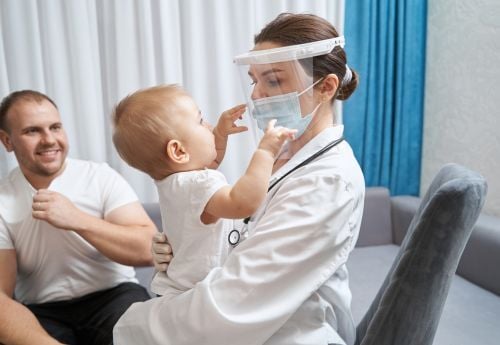
Pediatricians work in a variety of healthcare settings depending on their interests and training. Some may work in just one setting, while others may split their time in multiple settings, such as in a clinic and hospital setting. Many work in private practice, either independently or as part of a group of other pediatricians, where they provide routine checkups, vaccinations, and treatment for common childhood illnesses. Others work in hospitals, caring for newborns in delivery units, treating children in pediatric wards, or managing emergencies in pediatric emergency departments. Some pediatricians practice in large medical centers, where they may treat complex or rare conditions and collaborate with specialists. Pediatricians can also work in urgent care centers, community health clinics, or specialty clinics focused on areas like cardiology or endocrinology.
Other pediatricians choose careers in academia, where they combine patient care with teaching medical students and residents, as well as conducting research to improve child health outcomes. Some work in rural or underserved areas, where they may serve as one of the few physicians available and provide a broad range of care due to limited specialist access. Pediatricians can also work in public health organizations, government agencies, schools, or global health settings, focusing on prevention, policy, and population health. The work environment can vary greatly, allowing pediatricians to choose a setting that fits their lifestyle, interests, and long-term career goals.
Does a pediatrician do surgery?
In general, a pediatrician does not perform surgery. Pediatricians focus on providing primary care, diagnosing illnesses, managing chronic conditions, providing preventive care, and monitoring growth and development. If a child needs surgery, they are referred to a specialist such as a pediatric surgeon, who has additional surgical training specifically for infants and children. However, pediatricians may perform minor procedures such as stitching small cuts, draining abscesses, or performing circumcisions, depending on their training and practice setting.
What are the duties of a pediatrician?
On a typical day, pediatricians see a combination of well and sick patients. For well patients they will examine patients, review medical histories, and assess growth and developmental milestones. For sick patients, they may order and interpret laboratory tests such as blood work, urine tests, or imaging studies to help diagnose conditions. Pediatricians prescribe medications, adjust dosages based on a child’s age and weight, administer vaccines, and oversee treatment plans for both acute illnesses like infections and chronic conditions such as asthma or diabetes. They also coordinate care with specialists when more advanced treatment is needed.
In addition to medical management, pediatricians play a major role in educating patients and families. They explain diagnoses, discuss treatment options, provide guidance on nutrition and safety, and counsel parents about behavioral and developmental concerns. Preventive care is a significant part of their responsibilities, including routine well-child visits, health screenings, and early detection of potential problems. By combining clinical expertise with communication and compassion, pediatricians help ensure children grow and develop in the healthiest way possible.

What is the highest paying pediatric job?
The highest-paying jobs in pediatrics are typically subspecialties rather than general pediatrics. Among the top earners are pediatric cardiologists, pediatric critical care physicians, and neonatologists (doctors who care for premature and critically ill newborns). These specialists manage complex, high-risk conditions which require advanced expertise and training. Because of the high level of responsibility, specialized skill, and hospital-based work (often involving difficult procedures), these roles generally earn significantly more than outpatient general pediatricians.
To qualify for these higher-paying roles, doctors complete a fellowship after their three-year pediatric residency. A fellowship is additional specialized training, usually lasting 2–3 years, focused on a specific area of pediatrics, such as cardiology, neonatology, or critical care. During fellowship, physicians gain advanced clinical skills, perform specialized procedures, and often participate in research. This extra training increases expertise, expands career opportunities, and typically leads to higher compensation compared to general pediatric practice.
Is becoming a pediatrician hard?
Yes, becoming a pediatrician is challenging because the path is long and competitive. First, gaining admission (matriculation) into medical school requires a strong GPA, a high MCAT score, meaningful clinical experience, and well-rounded extracurricular involvement. After medical school, you must successfully match into a pediatric residency program through a national residency matching process, which can also be competitive depending on the program and location. In total, the journey takes about 11 years after high school (4 years of college, 4 years of medical school, and 3 years of residency), requiring dedication, resilience, and consistent academic effort.

Can pediatricians treat teenagers and older children?
Yes, pediatricians are trained to treat older children and teenagers. Pediatrics typically covers patients from birth through age 18, and in some cases up to age 21, depending on the practice and patient needs. Pediatricians care for adolescents’ physical, emotional, and developmental health, addressing concerns such as puberty, sports injuries, acne, mental health, reproductive health education, and preventive screenings. They also provide guidance on nutrition, sleep, substance use prevention, and overall wellness. As teens approach adulthood, pediatricians may help them transition to an internal medicine or family medicine physician for ongoing care.
Getting started in medicine
Now that you know more about what pediatricians do, your next step is to find out more about a great medical school like the University of Medicine and Health Sciences. Click on the following:
Talk with an admissions professional
Popular and related blog posts:




Callie Torres is a double board-certified physician, a freelance health and medical writer, as well as an author of many peer-reviewed medical articles.