










Pre-med clinical experience is essentially required for admission to medical school. It involves hands-on patient interaction in healthcare settings to show a commitment to medicine. Common options include paid roles such as Emergency Medical Technician (EMT), Medical Assistant, Scribe, Certified Nursing Assistant (CNA), and volunteering. These experiences offer direct patient care insight, empathy, and understanding of the profession’s realities, all of which are crucial for competitive med school applications. Pre-med students should seek to gain as much clinical experience as possible to strengthen their medical school applications.
What medical experience counts as clinical experience?
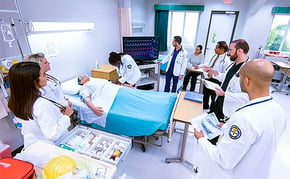
Clinical experience generally refers to any role that involves direct exposure to patient care or a clinical environment. This includes positions where one interact directly with patients or one in which a student closely observe healthcare providers in real medical settings (shadowing). Commonly accepted clinical experiences include:
- medical scribing
- emergency medical technician (EMT) or paramedic
- certified nursing assistant
- patient care assistant (PCA)/patient care technician (PCT)
- medical assistant
- phlebotomist
- hospital volunteer in patient-facing roles
- clinical research roles that involve patient interaction
In contrast, roles that are typically not counted as clinical experience include any role in which one is not in a hospital or directly working with patients. This includes bench or laboratory research, administrative or front-desk work, billing and scheduling, public health or health education roles without patient interaction, virtual or remote positions, and purely observational experiences such as physician shadowing (however, many programs classify this separately as clinical exposure/shadowing). Admissions committees generally assess whether an applicant interacted with patients or closely observed patient care in a medical setting, with hands-on, long-term experiences carrying more weight than brief or purely observational activities.
What are the best clinical experiences for pre med?
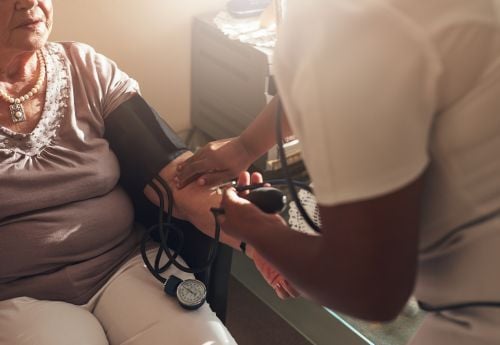
For pre-med students, the best clinical experiences are those that provide direct patient contact while also exposing students to the realities of medicine. Roles such as certified nursing assistant (CNA), emergency medical technician (EMT), patient care technician (PCT), or medical assistant are especially desirable as they place students at the bedside and make them active members of the healthcare team. These positions commonly involve taking vital signs, assisting with procedures, communicating with patients and families, and working closely with physicians and nurses. Medical schools value these experiences as they demonstrate that an applicant understands the physical, emotional, and logistical demands of patient care and furthermore that has confirmed their desire to pursue medicine through real responsibility rather than observation alone.
Another highly regarded clinical experience is medical scribing, particularly in emergency departments or outpatient clinics. Scribes work with physicians, documenting patient encounters in real time and gaining deep exposure to clinical reasoning, differential diagnoses, and treatment. While scribes may have less hands-on patient care than CNAs or EMTs, medical schools appreciate how the job provides insight into how physicians think, manage time, and navigate complex healthcare systems. Scribing also helps pre-med applicants speak fluently during interviews about clinical decision making, patient presentations, and the physician’s role on the healthcare team.
Finally, long-term, patient-facing volunteer experiences, such as hospice volunteering, clinic work, or other volunteer hospital roles with meaningful patient interaction, are especially impactful when done consistently over time. These experiences highlight compassion, service orientation, and comfort with vulnerable populations. Overall, the best clinical experiences for pre-medical students are those that combine direct patient interaction, continuity, and reflective growth, allowing pre-med applicants to convincingly show that they understand what being a physician truly entails.
Pre-medical clinical experience jobs
Many pre-medical students choose paid clinical positions over shadowing because they allow them to gain meaningful patient care experience while supporting themselves financially. One of the strongest options is working as a certified nursing assistant (CNA), patient care technician (PCT), or medical assistant (MA), all of which involve hands-on interaction with patients. These roles typically include taking vital signs, assisting with procedures, helping with mobility, and communicating with patients and healthcare staff. Medical schools value these jobs as they demonstrate responsibility, teamwork, and sustained exposure to patient care, showing that applicants understand the realities of working in a clinical environment.
Another highly respected paid clinical role is emergency medical technician (EMT) or paramedic. These positions place students on the front lines of medical care, requiring quick thinking, calm decision making, and strong communication skills in high pressure situations. Admissions committees often view this experience favorably because it reflects independence, maturity, and comfort with acutely ill or injured patients. Similarly, phlebotomists and dialysis technicians gain regular patient contact while developing technical clinical skills and learning to work with patients who have chronic medical conditions.
Finally, medical scribing and behavioral health technician roles offer paid clinical exposure with a different focus. Medical scribes work closely with physicians and gain deep insight into clinical reasoning, diagnosis, and treatment planning, which helps applicants speak confidently about the physician’s role during interviews. Behavioral health technicians and home health aides, on the other hand, develop strong communication skills and empathy by working closely with vulnerable populations. Together, these paid clinical experiences are highly valuable for pre-med students because they combine patient interaction with clinical exposure.
Is shadowing clinical experience?
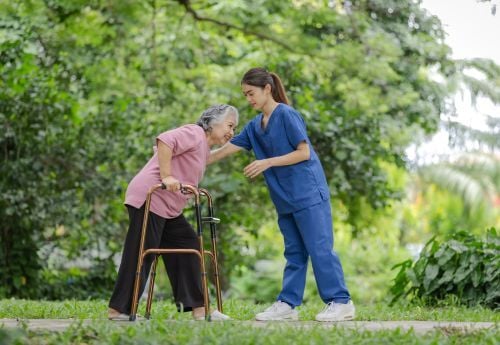
Shadowing is generally considered a separate entity from clinical experience. It allows students to observe physicians in real healthcare settings and gain insight into daily medical practice, patient interactions, and clinical decision-making. However, it does not involve hands-on patient care or active responsibility. While shadowing is still important for confirming interest in medicine and understanding the physician’s role, medical schools typically view it as supplementary to direct clinical experience, which involves sustained patient interaction and active participation in care.
What counts as clinical experience for premed?
Clinical experience for medical school applications includes activities that provide direct exposure to patient care or the clinical environment, particularly those involving interaction with patients or close observation of healthcare professionals in real medical settings. This commonly includes paid or volunteer roles such as certified nursing assistant, patient care technician, medical assistant, emergency medical technician, medical scribe, phlebotomist, hospice or hospital volunteer with patient contact, behavioral health technician, home health aide, dialysis technician, and clinical research roles that involve patient interaction. The strongest clinical experiences last over an extended period of time and allow applicants to engage meaningfully with patients.
Is 1 year of clinical experience enough for med school?
Yes, one year of clinical experience can be enough for medical school. Successful matriculants into medical school typically report around 200–500 hours of direct clinical experience, which corresponds to roughly one year of consistent work or volunteering. Admissions committees value the quality, continuity, and depth of these experiences more than the total number of years, focusing on whether applicants actively engaged with patients, worked as part of a healthcare team, and reflected on what they learned.
Is 500 clinical hours enough for med school?
Yes, 500 hours of clinical experience is generally sufficient for medical school, as long as the experience is hands-on and patient-focused. What matters most to admissions committees is not just the number of hours, but how much responsibility you had, how consistently you were involved, and what you learned about patient care. Positions like medical assistant, EMT, certified nursing assistant, or medical scribe provide strong exposure to clinical settings, making 500 hours a meaningful and competitive amount of experience.
What are the easiest ways to get clinical hours?
One of the easiest ways to earn clinical hours for medical school is to volunteer at hospitals, clinics, or free health centers. Many hospitals have volunteer programs where you can assist patients, deliver supplies, or support staff while being in a patient-facing environment. Hospice volunteering is another accessible option that provides meaningful patient interaction and opportunities to reflect on the human side of healthcare. These roles often have flexible schedules, require minimal prior experience, and still count as valuable clinical exposure, making them ideal for students balancing school, work, or other commitments.
Paid positions can also be relatively easy entry points for gaining clinical experience. Becoming a certified nursing assistant, patient care technician, or medical assistant provides hands-on experience and exposure to hospital or clinic workflows. Similarly, EMT training programs allow motivated students to earn certification and work in emergency medical services, gaining substantial patient interaction. For students who prefer observation, medical scribing offers a way to spend time in a clinical setting alongside physicians while learning medical terminology, often with a flexible schedule and compensation. Combining volunteer and paid roles can make accumulating the required clinical hours both achievable and impactful for your medical school application.
Can I get into med school without clinical hours?
Technically, it’s possible to get into medical school without clinical hours, but it’s very uncommon and not recommended. Admissions committees expect applicants to have firsthand exposure to patient care to demonstrate their understanding of the realities of medicine. Without clinical experience, your application may appear incomplete, making it harder to demonstrate commitment, empathy, and readiness for a medical career.
Getting into medicine
Now that you know more about premed clinical experience, your next step is to find out more about a great medical school like the University of Medicine and Health Sciences. Click on the following:
Get answers to FAQ's about UMHS
Talk with an admissions expert.
Popular and related blog posts:



Callie Torres is a double board-certified physician, a freelance health and medical writer, as well as an author of many peer-reviewed medical articles.