









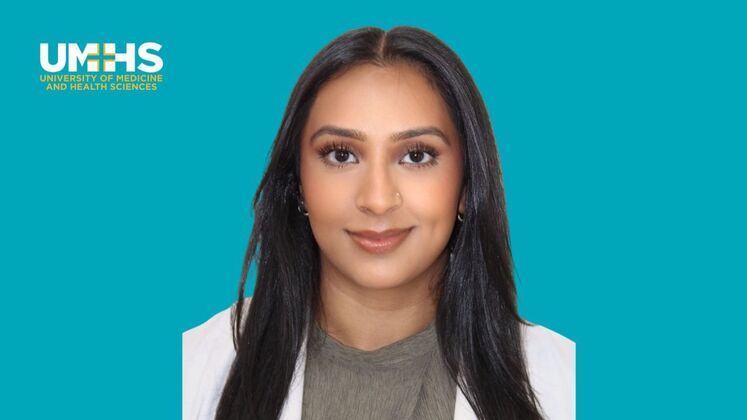

UMHS student Meera Sidhu presented schizophrenia research at the 2026 American Psychiatric Association (APA) Annual Meeting this past May 16 to 20 in San Francisco, California at the Moscone Convention Center. The conference brings together physicians, researchers, and other mental health professionals from across the country to share research and discuss advances in psychiatric care.
Ms. Sidhu's research focused on an important question in schizophrenia treatment: whether patients switching from oral medications to long-acting injectable antipsychotics need additional oral medication during the transition. Her project explored how established treatment recommendations compare with what happens in everyday clinical practice.
The idea for the research came during Ms. Sidhu's clinical rotations, when a patient encounter raised questions about the treatment of schizophrenia. She worked with a resident physician and another medical student to explore the issue, review existing research, and examine current treatment recommendations. What began as a question during a clinical rotation eventually became a research project she presented at a national medical conference.
The UMHS Endeavour spoke to Ms. Sidhu about her research, the feedback she received from fellow medical professionals, and what the experience taught her.
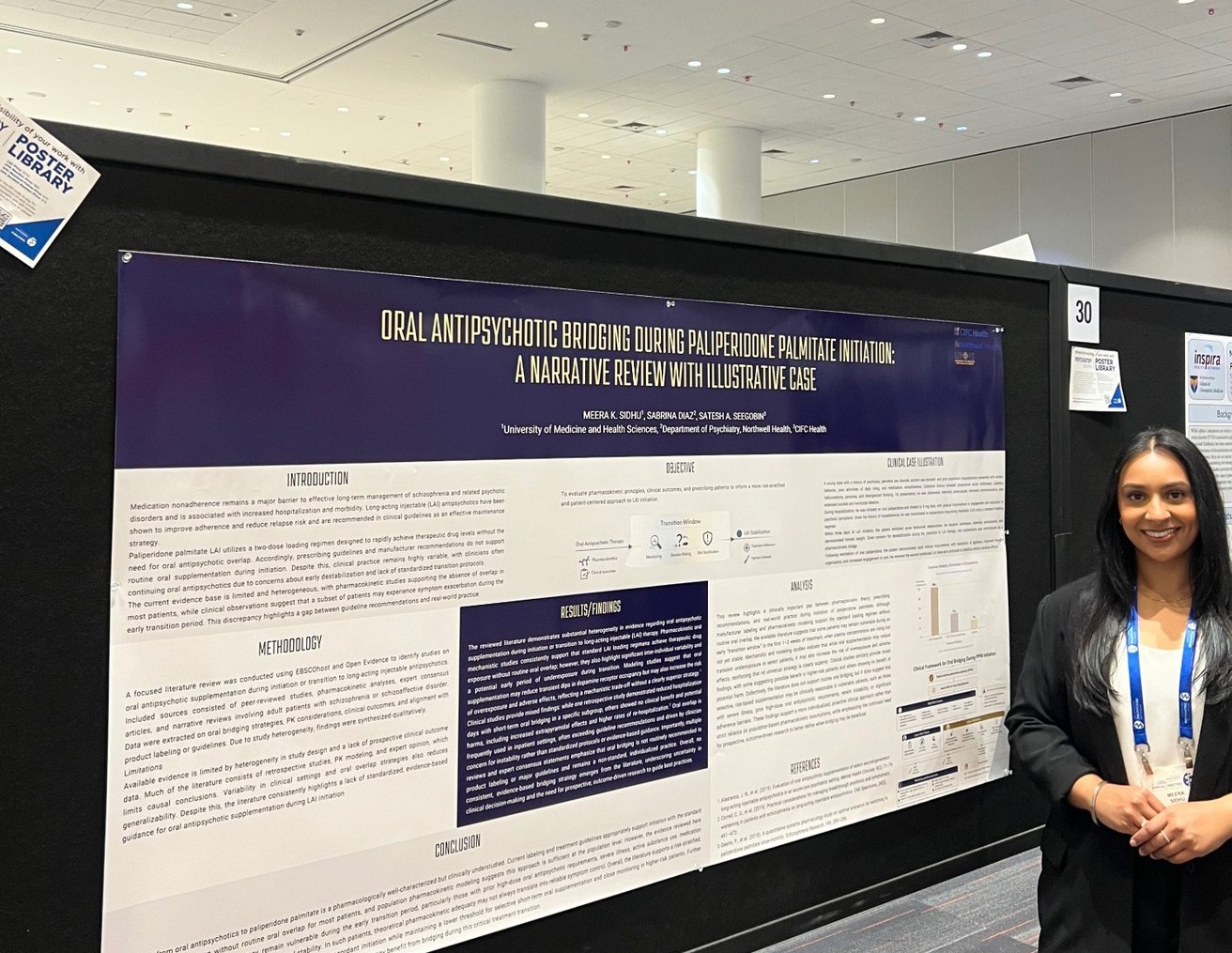 Meera Sidhu presenting research at the 2026 APA Annual Meeting in San Francisco. Photo courtesy of Meera Sidhu.
Improving patient outcomes
UMHS Endeavour: Can you briefly explain the research you presented at the APA Annual Meeting and why the topic is important?
Meera Sidhu: Our research was inspired by a clinical case involving a patient with schizophrenia who experienced psychiatric decompensation following a transition from oral antipsychotic medication to a long-acting injectable (LAI). We explored the gap between established treatment recommendations and real-world clinical practice, particularly the potential role of oral antipsychotic supplementation during LAI initiation. Our work highlights the importance of recognizing clinical complexities and continually evaluating treatment approaches to improve patient outcomes.
What was the most rewarding part of presenting your research at the APA Annual Meeting?
The most rewarding part was seeing an idea inspired by a clinical encounter develop into a research project that I had the opportunity to present at a national conference. Being able to contribute to meaningful discussions about patient care alongside physicians and researchers was an incredibly fulfilling experience.
Managing early decompensation
Did you receive any interesting questions or feedback from attendees that surprised you or gave you a new perspective on your research?
It was really encouraging to see how many clinicians connected with our research because they had encountered similar situations in their own practice. Many engaged in thoughtful discussions about the topic and expressed a shared interest in developing clearer treatment guidelines through further research. What stood out to me most was seeing clinicians take note of the practical recommendations we presented for managing early decompensation, as it reinforced that our work was not only clinically relevant but also had the potential to inform real-world patient care.
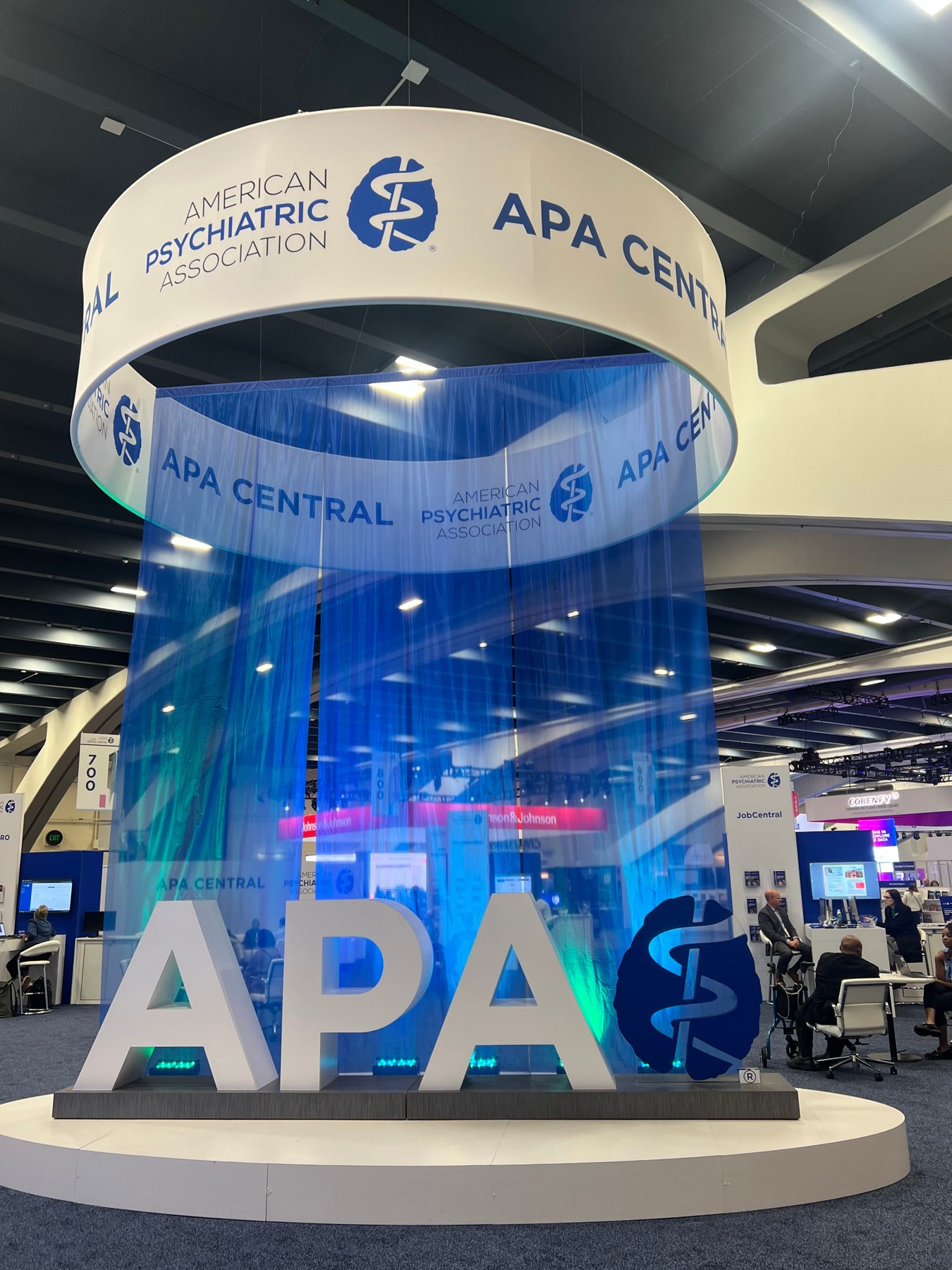 APA Central at the 2026 APA Annual Meeting in San Francisco, CA. Photo courtesy of Meera Sidhu.
Representing UMHS
What was it like representing UMHS at a national conference such as the APA Annual Meeting?
It was an incredibly rewarding experience and something I felt very proud of. Having the opportunity to represent UMHS on a national platform was a meaningful milestone in my medical education and a reminder that medical students can make valuable contributions to academic medicine.
Now that you’ve had this experience, has participating in research influenced your career goals or your interest in a particular specialty?
This experience has strengthened my appreciation for research and its role in shaping clinical practice. While I'm still exploring my interests and deciding which specialty to pursue, it has reinforced the importance of continually questioning, learning, and practicing evidence-based medicine. Regardless of my eventual specialty, I hope to contribute to improving patient care through both clinical practice and research.
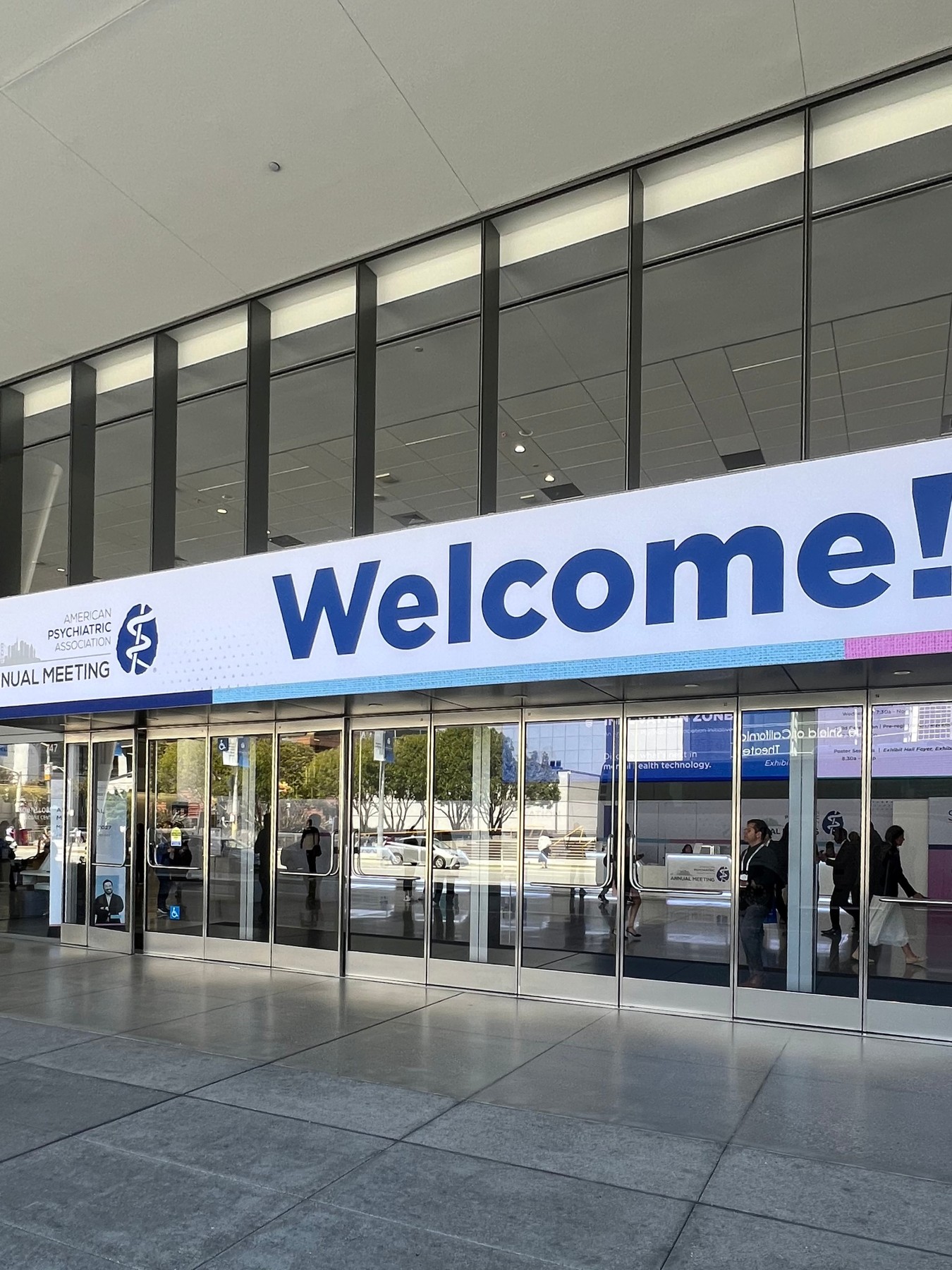 Entrance to the APA Annual Meeting at the Moscone Convention Center in San Francisco, CA. Photo courtesy of Meera Sidhu.
Importance of medical student research
What advice would you give to other UMHS students who may be interested in research but feel intimidated about getting started?
My biggest advice would be not to wait until you feel completely prepared to get involved. If something sparks your curiosity during clinical rotations, explore it further, reach out to mentors, and don't be afraid to take initiative. Research is about more than strengthening your CV. It's an opportunity to develop critical thinking skills, contribute to medical knowledge, and grow as a future physician.
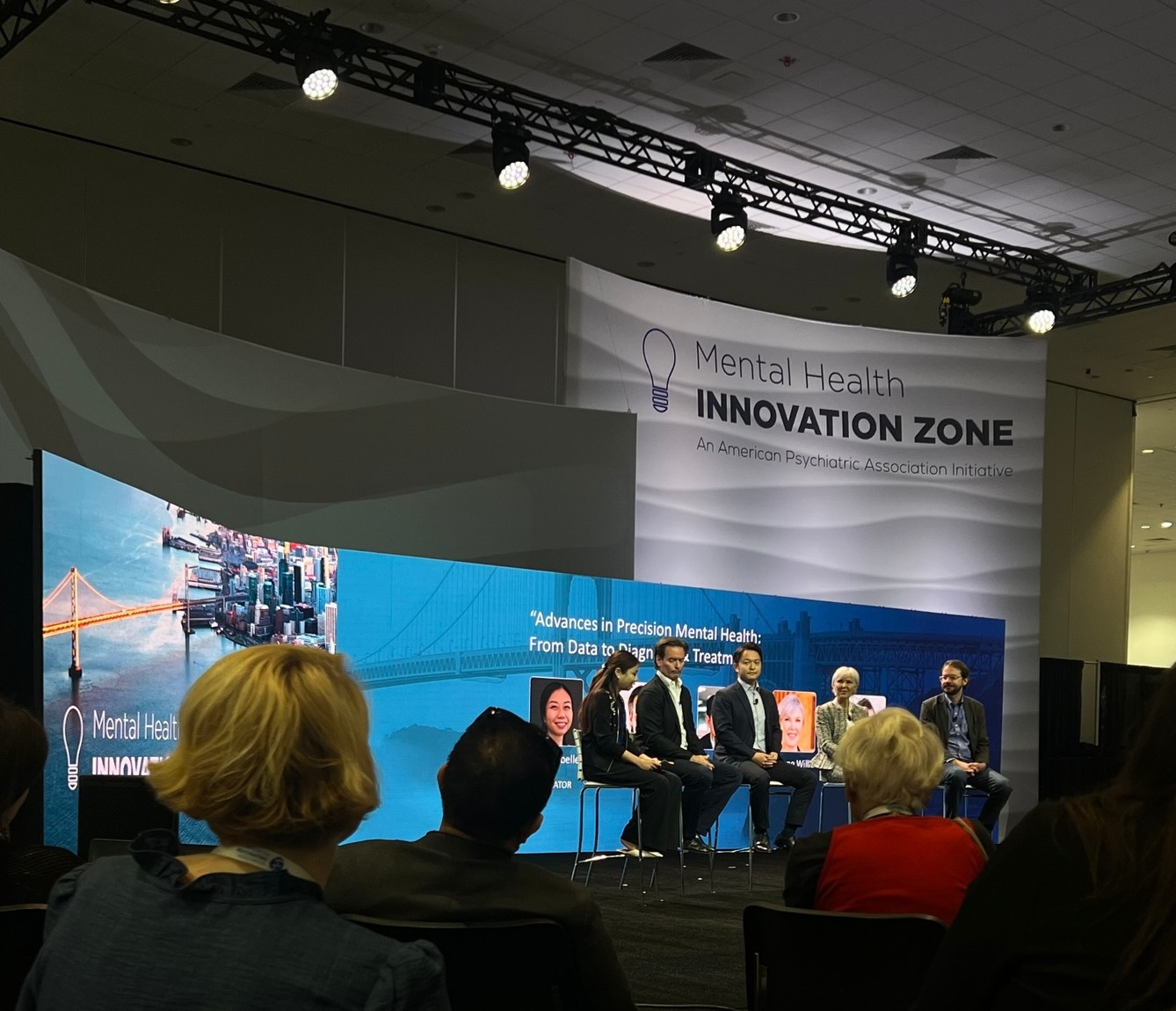 A panel discusses mental health treatment at the 2026 APA Annual Meeting in San Francisco, CA. Photo courtesy of Meera Sidhu.
Looking back on the entire experience, from working on the research to presenting it at the APA Annual Meeting, what is the biggest lesson you learned?
The biggest lesson I've taken away is the importance of remaining curious and being willing to act on that curiosity. What began as a question inspired by a clinical encounter developed into a collaborative research project and eventually a national poster presentation. It reinforced that meaningful contributions to medicine don't always begin with groundbreaking discoveries. Sometimes, they begin with simply asking the right question.
Email Meera at msidhu@umhs-sk.net
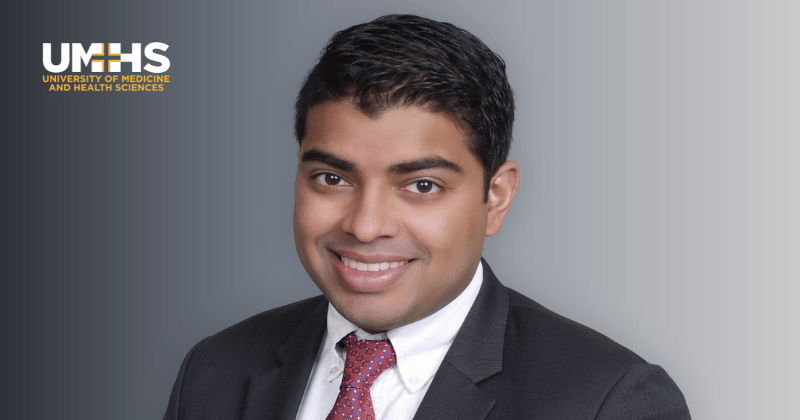
(Top photo). UMHS student Meera Sidhu. Photo courtesy of Meera Sidhu.
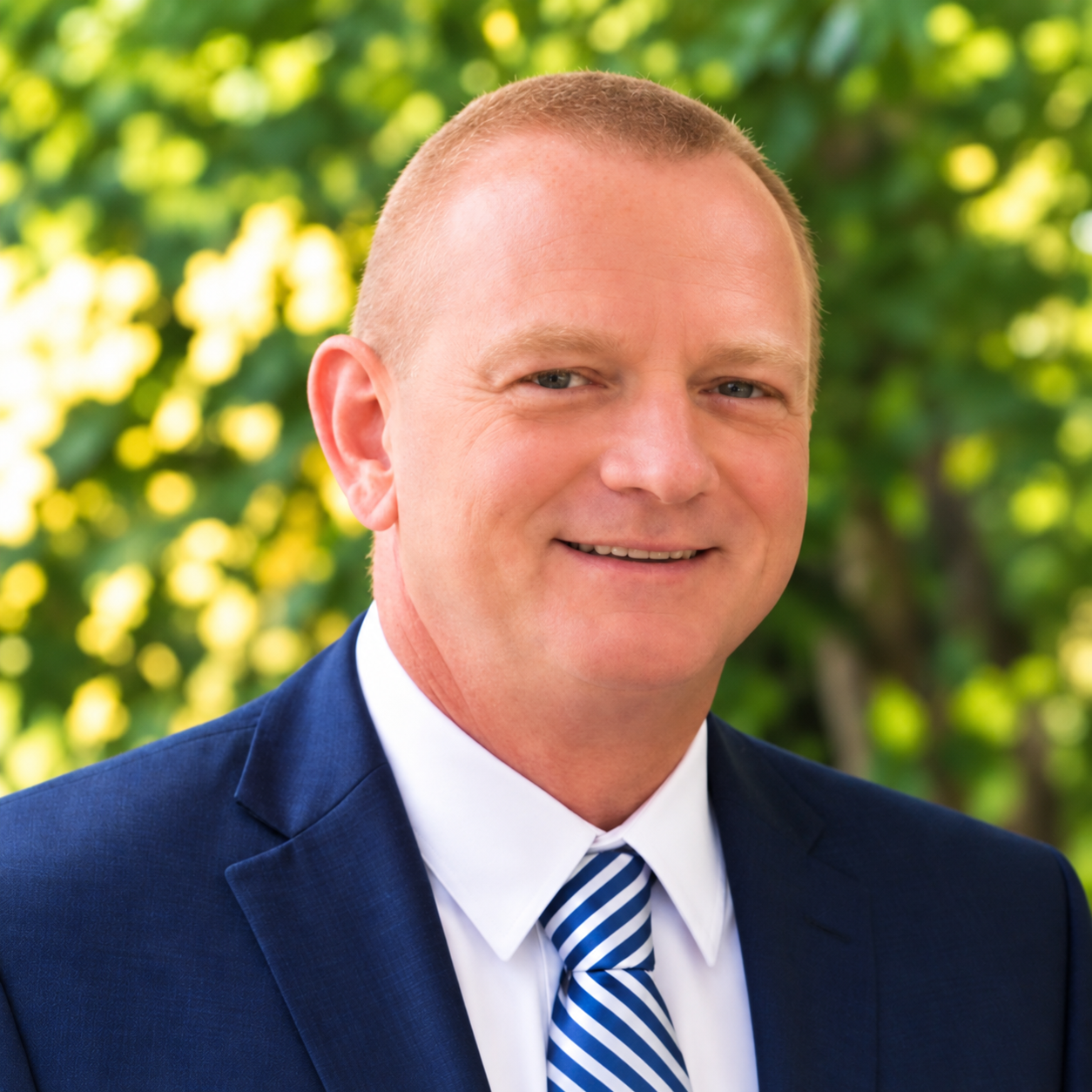
Scott is Director of Digital Content & Alumni Communications Liaison at UMHS and editor of the UMHS Endeavour blog. When he's not writing about UMHS students, faculty, events, public health, alumni and UMHS research, he writes and edits Broadway theater reviews for a website he publishes in New York City, StageZine.com.


