



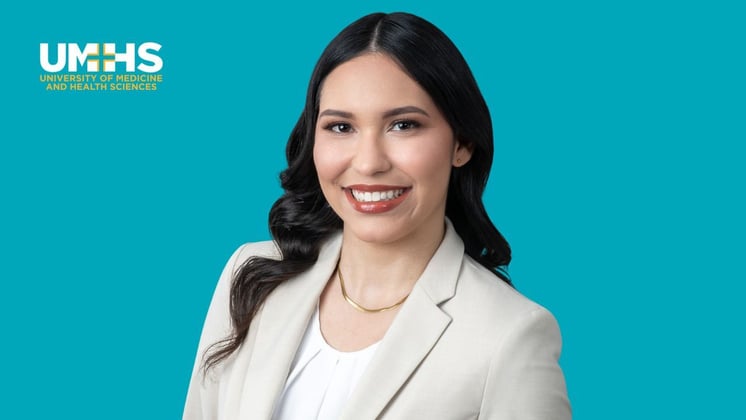

Growing up in Moca, Puerto Rico, UMHS Class of 2026 graduate Dr. Melba D. Picó Barreto always knew she wanted a career that combined science with helping others. The middle child of three and part of a large extended family, Dr. Picó Barreto grew up surrounded by relatives, traditions and values that helped shape who she is today.
Her interest in medicine began in high school, where a biology teacher helped spark her curiosity about science. At the same time, her extracurricular activities, including acrobatics, gymnastics, dance choreography and tutoring, helped her discover how much she enjoyed working with children. Eventually, those two interests came together and Pediatrics became the natural fit.
This summer, Dr. Picó Barreto is preparing to begin a Pediatrics residency at the University of Puerto Rico (UPR), her first-choice program and an opportunity to return home to serve children and families across the island. Along the way, she completed UMHS’s Accelerated Review Program (ARP), passed both Step examinations on her first attempt and navigated the residency Match process with support from faculty, mentors and the UMHS Department of Residency & Professional Advising.
In this interview with the UMHS Endeavour, Dr. Picó Barreto reflects on her medical school journey, the mentors who helped shape her success, the importance of preparation, and her excitement about beginning the next chapter of her career in Pediatrics in her native Puerto Rico.
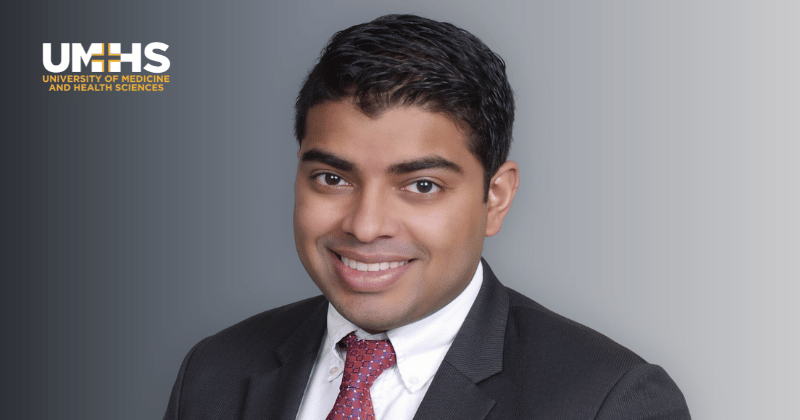
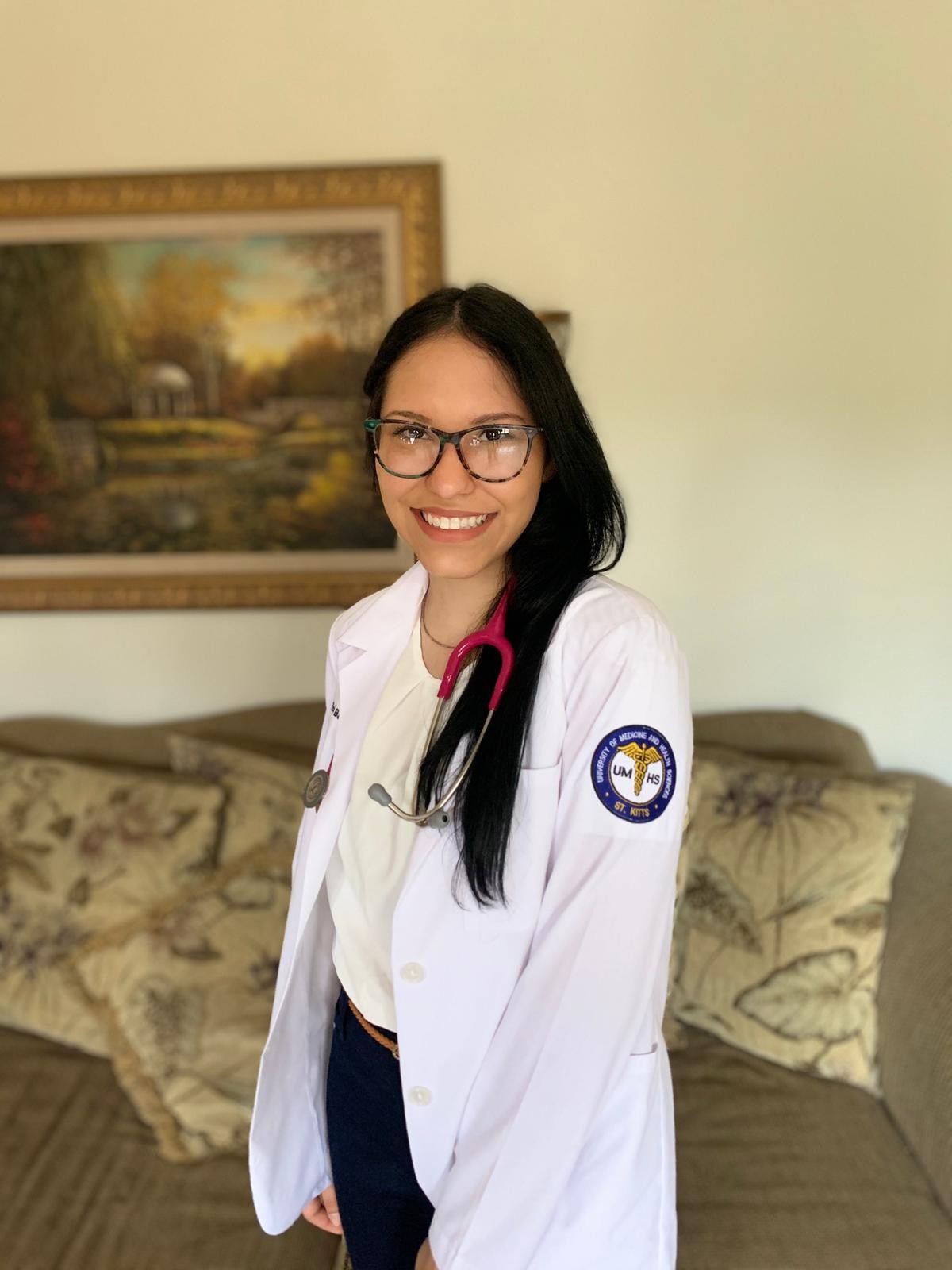 Dr. Melba D. Picó Barreto. Photo courtesy of Dr. Picó Barreto.
Early influences and choosing Pediatrics
UMHS Endeavour: Please introduce yourself and tell us a little about your background.
Dr. Melba D. Picó Barreto: I am from Moca, Puerto Rico, which is located on the western side of the island. I am the middle child of three, and even though my immediate family is pretty average in size, I come from a very large extended family. I have 12 uncles and aunts, so growing up in that kind of family really helped shape who I am and the values I carry with me.
Those values include unity, love for family and sharing traditions. They are values I carry everywhere I go, whether it is in my educational journey or in my personal life.
I completed my undergraduate studies at the University of Puerto Rico at the Aguadilla campus. Even before that, I already knew I wanted to pursue a career in medicine. My love for science started in high school, and I have to thank my biology teacher, Mrs. Beltrán. She was always so engaged, and her way of teaching really sparked my curiosity.
At the same time, I was involved in activities such as dance, gymnastics and academic tutoring. My love for children and my love for science eventually came together, and medicine — especially Pediatrics — became a natural fit.
What inspired you to pursue Pediatrics?
From the very start, I knew I wanted to work with children. I think it all started when I did gymnastics — acrobatic gymnastics, to be more specific. I was in a group of three with my friend and a younger girl, and we were very protective of her. We did not want her to fall. We really wanted her to gain confidence and succeed in whatever skills we were doing.
After that experience, I continued to do my extracurricular activities around children, whether it was as a dance choreographer or as an academic tutor. Eventually, my love for children and my desire to care for them combined with my love of science. That is why Pediatrics felt like the perfect fit.
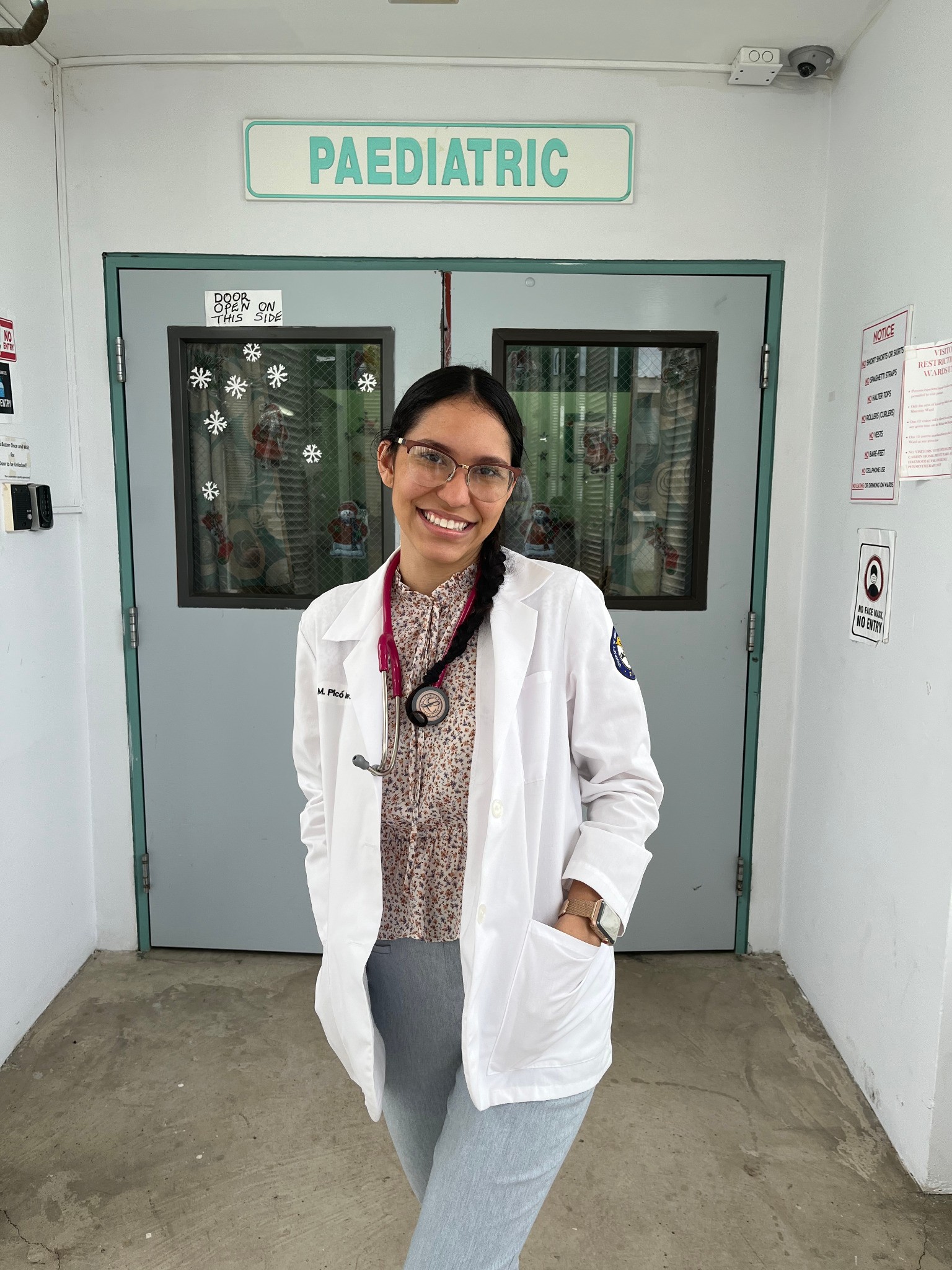 Dr. Melba D. Picó Barreto outside the pediatrics ward at Joseph N. France General Hospital in St. Kitts. Photo courtesy of Dr. Picó Barreto.
Preparing for success at UMHS
How did your experience at UMHS help prepare you for residency?
UMHS prepared me in many ways. The fifth semester in Maine served as a good transition semester from basic sciences into clinical practice. It helped us become more proactive students and gave us the opportunity to develop skills before entering the hospital setting.
By the time we were in the hospital, we already knew how to approach patients, perform physical examinations and take a well-rounded history. Those are skills that attending physicians and other doctors really emphasize, and I think they are among the things they recognize in UMHS students.
The fifth semester also helped me become more review-based and question-based. When I started studying for Step 1, I already had an idea of how to tackle questions. For me, it was important because I got to know my weaknesses and could work on them after the semester.
I understand you were first admitted as an ARP student. What was your experience with ARP?
I started ARP during the pandemic, so everything was virtual. It was really challenging at first, but the professors were very focused on helping students. We had to turn on our cameras and try to make the experience as close to a classroom as possible.
ARP really helped me prepare for what medical school was going to be like. Once I started medical school, I already had a step forward. I knew some of the points I had to tackle, I knew my weaknesses and I knew how to approach them.
Would you recommend ARP to incoming students?
Yes. I would recommend it. ARP is like a boot camp for medical school. You go through many of the areas you will see in the first semester, and you also get to know your professors. It is a good semester to learn your weaknesses and learn how to study.
If you are going to spend time learning how to study, it is better to do it during ARP rather than when you are already in medical school. It gives you a head start and helps you prepare to continue toward your goal.
Were there any professors or mentors who had a meaningful impact on your journey?
One faculty member who had a tremendous impact on me was Prakash Mungli, M.D., M.B.B.S., Dean of Basic Sciences (Interim), Course Director, and Professor of Biochemistry. I first had Dr. Mungli during ARP, and I was very grateful for his teaching style.
He had a very visual approach and could take something complex and explain it first in simple terms before building toward more complex material. He made sure students truly understood the subject, instead of just memorizing it and forgetting it after the exam.
That approach was very effective for me, and it is something I adopted later on. It helped me throughout my Step studying and really paid off because, thankfully, I passed both Step examinations on my first attempt.
Another person who really helped me was Molly Johannessen, Ph.D., Director of Education and Teaching, Associate Professor of Physiology. She helped me through my test anxiety. I worked closely with her, and we did Zoom sessions and practice exams with other students.
Those experiences really set the tone for me. When I went to Prometric, I was much more relaxed. I was able to focus on the exam instead of focusing on my anxiety or anything else.
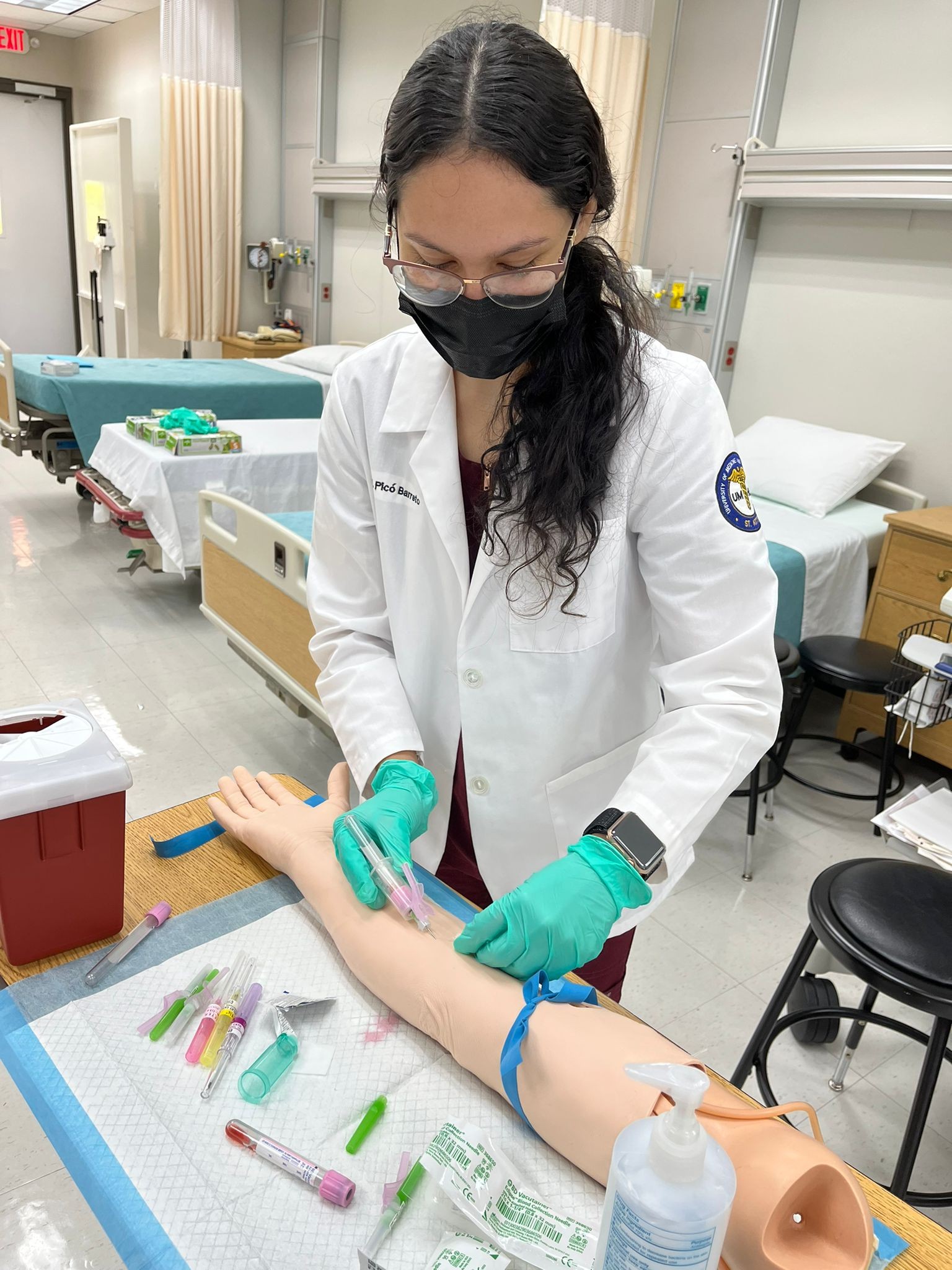 Dr. Melba D. Picó Barreto at work in a lab at the UMHS campus in St. Kitts. Photo courtesy of Dr. Picó Barreto.
Navigating the residency Match
What was the residency Match process like for you?
The Match process was exciting, but it was also stressful at times. Preparation made a big difference. Throughout medical school, I tried to identify my weaknesses and work on them. By the time I reached interview season, I felt more confident because I had taken the time to prepare and reflect on my experiences.
The process also reminded me how important it is to stay organized and to trust the work you have done. There are many steps involved, but having guidance and support made it much more manageable.
What attracted you to the University of Puerto Rico Pediatrics residency program?
The University of Puerto Rico stood out to me for many reasons. It is where we train at the only super tertiary hospital in Puerto Rico, so it gives residents a lot of exposure.
I am still not completely sure what fellowship I may want to pursue, but I wanted a program that would help me explore different areas of Pediatrics. One area I have in mind is oncology. The hospital has exposure to outpatient clinics, inpatient clinics and a bone marrow transplant unit, so I felt it would give me the experience I need to keep learning and deciding.
It was also important for me to train in a place where I felt comfortable and familiar. I wanted an environment that was supportive and close to home. The University of Puerto Rico met those criteria.
How did your interest in pediatric oncology develop?
My interest grew during a pediatric emergency experience. We had a patient we had to diagnose on the spot after seeing osteosarcoma on the radiograph. That experience stayed with me because we had to speak with the parent, be empathetic and actively listen.
It was a difficult situation, but it showed me how important it is to be present with families during serious moments. That is one area where I think I may be able to help, although I am still deciding what I want to pursue in the future.
How did the UMHS Department of Residency & Professional Advising help you?
Patrick McCormick was really present throughout the residency season. He was very transparent throughout the whole process, and one of the things that helped me the most was his feedback on my personal statement.
I sent him my personal statement, and he wrote back with suggestions. I took his advice and corrected it. During my residency interviews, a lot of attendings highlighted things from my personal statement and wanted to know more about them. Overall, he helped make the process more easygoing and less stressful.
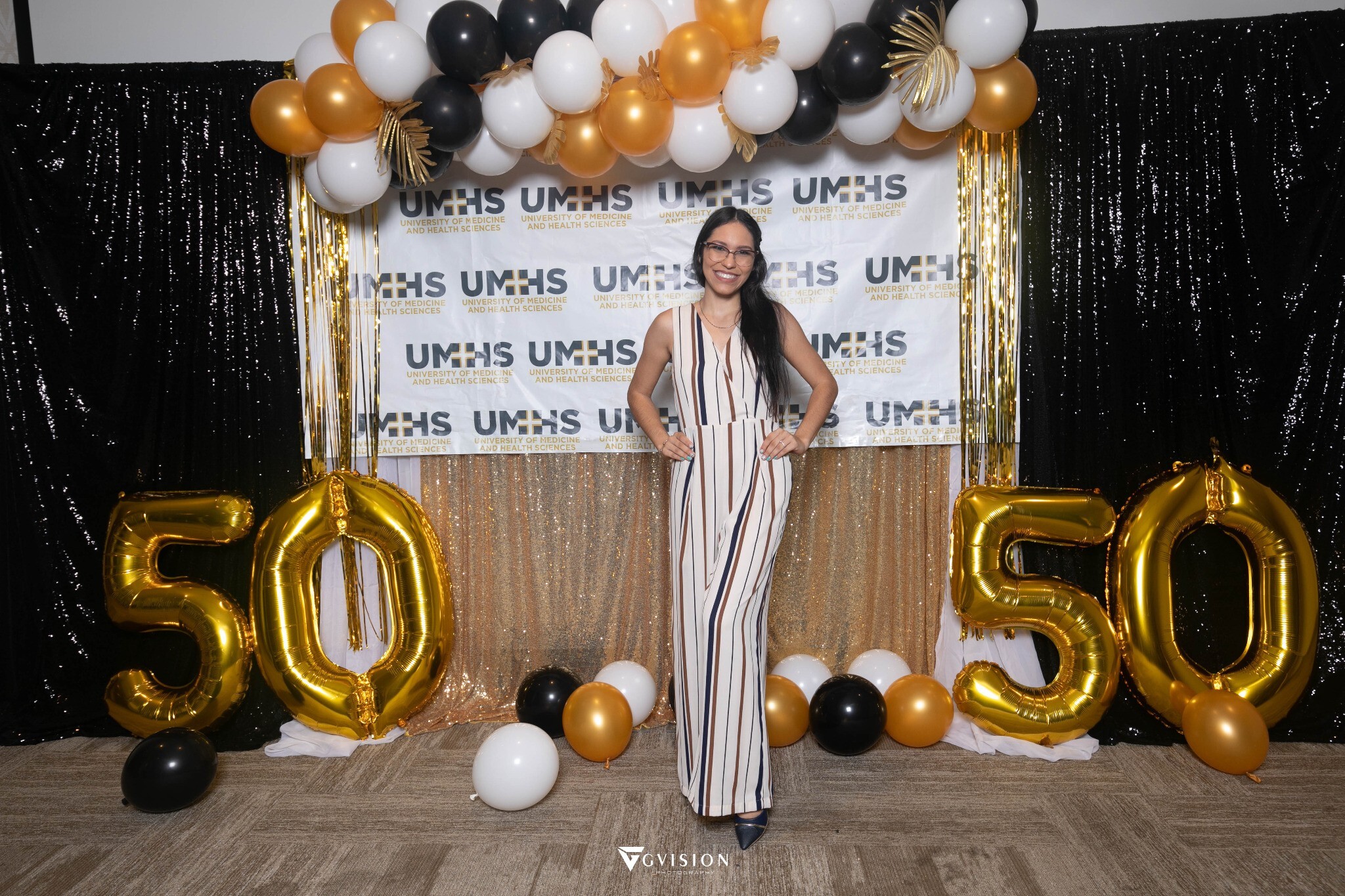 Dr. Melba D. Picó Barreto at the UMHS 50% celebration at a St. Kitts hotel before she and other UMHS students went to the Portland, Maine campus. Photo courtesy of GVision Photography.
Compassion, communication and patient care
What qualities are most important in Pediatrics?
Communication, empathy and patience are very important. Children and families can be scared or overwhelmed, so listening is essential. I like to be present with my patients, and I believe listening is important for good quality of care.
In Pediatrics, you are not only communicating with the child. You are also communicating with the family, helping them understand what is happening and helping them feel supported.
How have your clinical experiences reinforced your desire to become a pediatrician?
One experience that stood out to me was working with the Child Life program. Child Life helps create a connection between the doctor and the patient and makes the hospital experience less traumatic and more easygoing for children.
Many children have fear when they see a doctor, a gown or a white coat. The goal is to take away as much of that fear as possible and make the experience easier for them. Seeing that work reinforced how important trust, communication and empathy are in Pediatrics.
What does it mean to return home and train in Puerto Rico?
Training here in my homeland means a lot to me. I am from the west side of Puerto Rico, and the hospital where I will be training is on the east side. I see this as an opportunity to advocate for patients who have to travel long hours to access care.
It is also an opportunity for me to grow and become the best doctor I can be for the children of Puerto Rico.
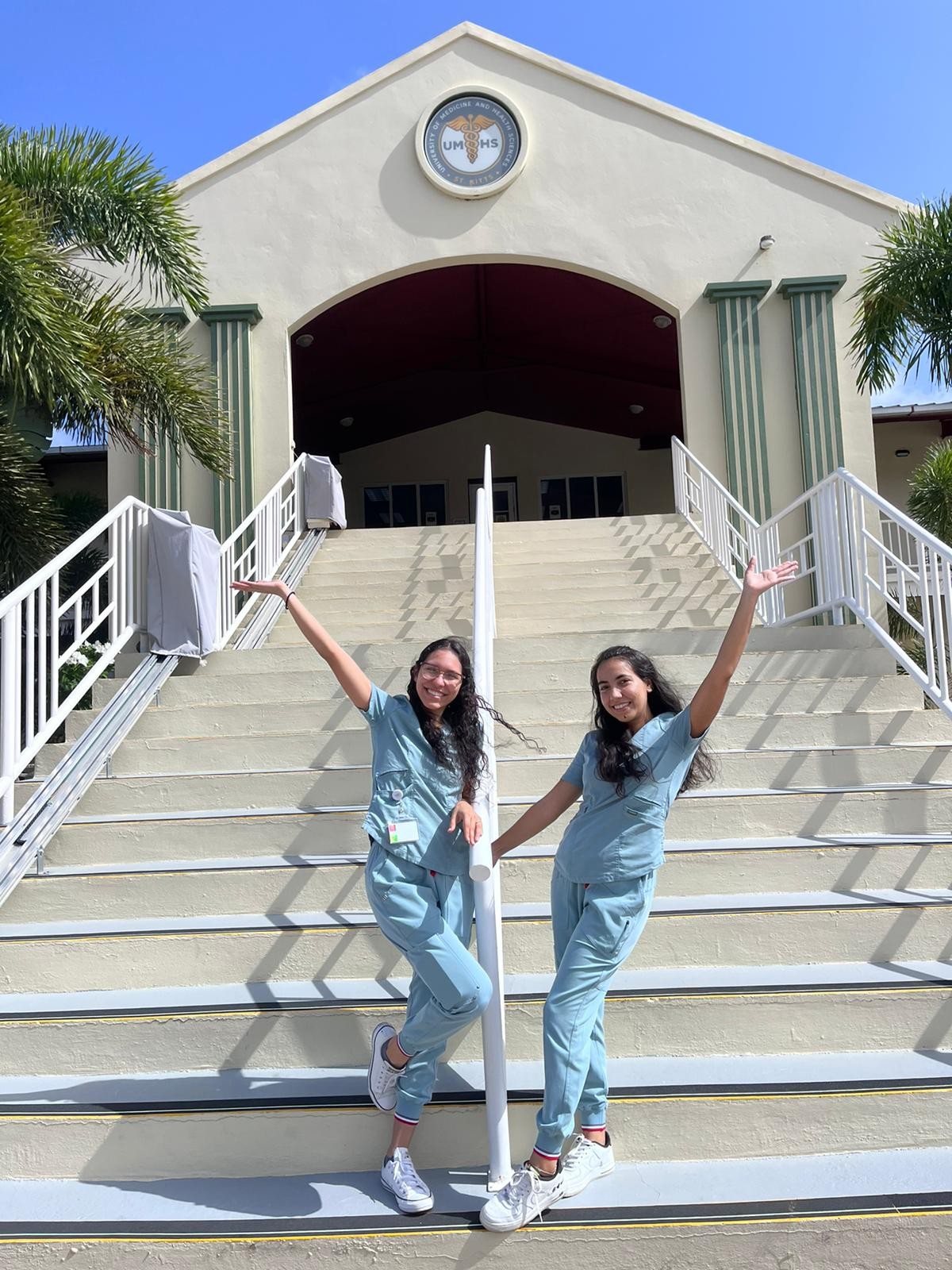 Dr. Melba D. Picó Barreto with Dr. Kimberly Cortés Perez on the stairs of UMHS St. Kitts campus when they were both students. Photo courtesy of Dr. Picó Barreto.
Technology, AI and the future of medicine
Did you encounter AI or new technologies during your clinical training?
Yes. I encountered AI in ways as simple as daily rounds. We used tools such as OpenEvidence or other medical-based AI resources. These tools did not substitute for the doctor’s opinion or the doctor’s care. Instead, they helped enhance the quality of care we could give the patient.
I also encountered new technologies such as robotic surgery. That was something we did not have as much of on the island before, but now we do. You can see the difference in patient outcomes and recovery.
In Pediatrics, I think these tools can help us become more focused on patients and on supporting families.
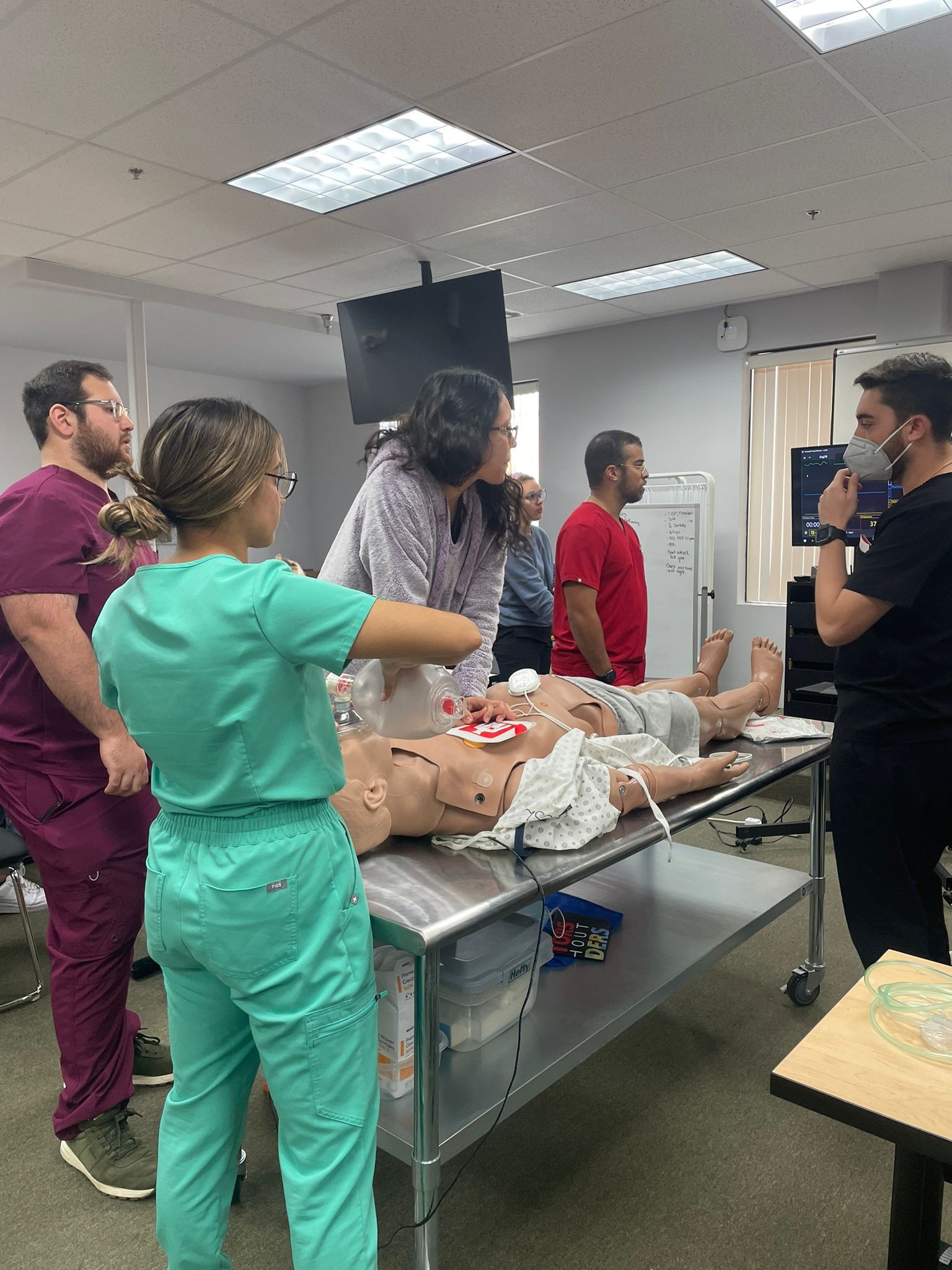 Dr. Melba D. Picó Barreto at a CPR training at UMHS with fellow students Gustavo, Esteban ,Valeria, Karolyn and Adrian. Photo courtesy of Dr. Picó Barreto
Choosing UMHS and building a foundation for success
Why did you choose UMHS?
When I was applying to medical school, I had some academic difficulties, and UMHS had the ARP program. I became interested in UMHS because I knew ARP could help me work through those difficulties so that by the time I started medical school, I would be more ready.
That was something that really stood out to me about UMHS.
What skills or lessons from UMHS will help you most during residency?
UMHS helped prepare us for clinical rotations through standardized-patient training, both on the island and in Maine. Because we trained in different settings, it fostered adaptability, diversity and proactiveness.
Those experiences helped us become more ready, more well-rounded and more empathetic with patients. Organization and patient communication are two things I feel will help me during residency. I like to create realistic daily tasks, whether for my personal life, rotations or the week ahead. Patient communication is also very important to me because I like to be present with my patients and truly listen to them.
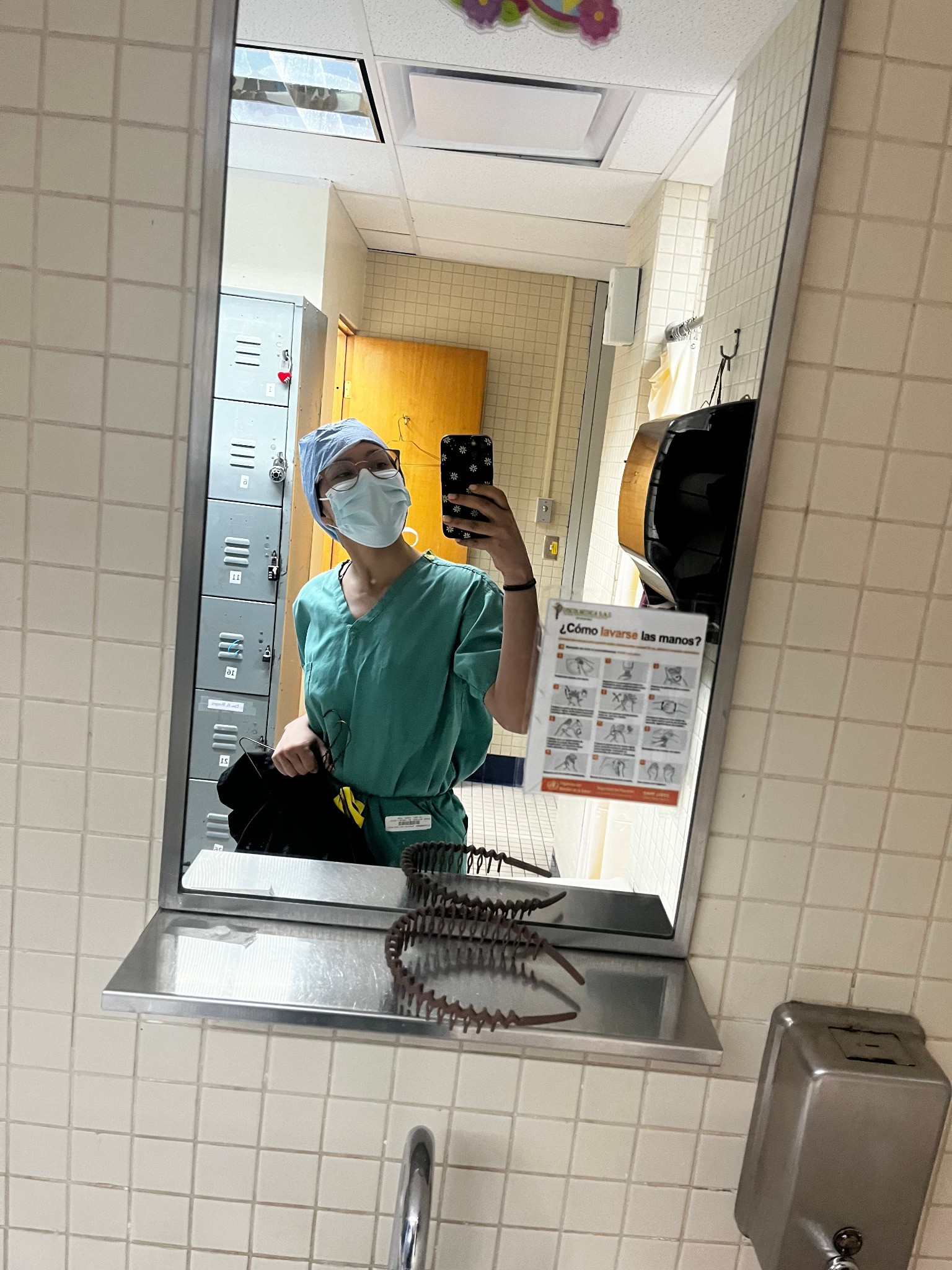 Dr. Melba D. Picó Barreto in the surgery dressing room at Hospital Perea in Mayagüez, Puerto Rico. Photo courtesy of Dr. Picó Barreto
Advice for future physicians
What advice would you give current UMHS students, especially those from Puerto Rico or the Caribbean?
I would tell them to believe in themselves. Medical school can be very challenging, but it is important to prioritize yourself and understand that feeling challenged is completely okay.
There were times when I felt frustrated, but I learned the importance of self-care. For me, that could mean spending time with friends and family or taking time alone to rest and recharge. It is important to find balance and find things that make you feel confident while you continue growing toward your goal.
What advice would you give students beginning their UMHS journey?
One thing that helped me in St. Kitts was that the island allowed me to focus on studying. At the same time, it was important to take care of myself. Having the beach nearby and having places to relax helped me take breaks, recharge and then go back to studying with more focus.
Another thing that helped me throughout my UMHS experience was tutoring from other students. I would advise students to take the time to attend those meetings because they can really help with exams.
Is there anything else you would like to share?
I am very grateful to my family, professors, mentors and everyone who supported me throughout this journey. Matching into Pediatrics at the University of Puerto Rico is a dream come true.
I am excited to continue learning, to grow as a physician and to serve children and families in Puerto Rico.
Email Dr. Picó Barreto at mpico@umhs-sk.net
(Top photo) Dr. Melba D. Picó Barreto. Photo courtesy of Dr. Picó Barreto.
Scott is Director of Digital Content & Alumni Communications Liaison at UMHS and editor of the UMHS Endeavour blog. When he's not writing about UMHS students, faculty, events, public health, alumni and UMHS research, he writes and edits Broadway theater reviews for a website he publishes in New York City, StageZine.com.