







Originally from San Juan, Puerto Rico, Dr. Edgardo Negron says his path to medicine was shaped by both personal experiences and a desire to help patients navigate chronic illness with trust and compassion. After initially pursuing engineering and dreaming of a career in professional baseball, he found himself drawn toward medicine following health challenges within his own family. That journey eventually led him to UMHS, where he says the school’s clinical opportunities and hands-on training helped prepare him for a successful Match into Internal Medicine at HCA Florida JFK Hospital in Atlantis, Florida.
In this interview with the UMHS Endeavour, Dr. Negron reflects on the mentors who influenced him most, including Associate Dean & Director of Residency and Professional Advising Patrick McCormick and faculty members who emphasized the importance of physical examination skills and patient communication. He also discusses how the fifth semester in Maine and clinical rotations across multiple states strengthened his confidence heading into residency. Along the way, he shares advice for current and prospective students, his thoughts on AI in medicine, and why he believes persistence and strong physician-patient relationships remain essential to becoming a successful doctor.
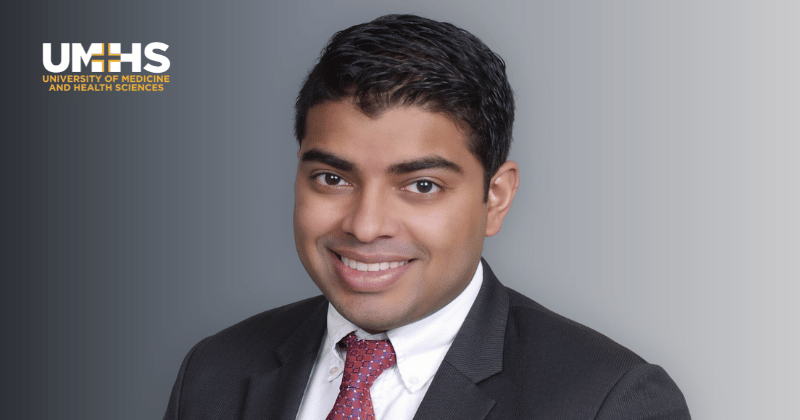
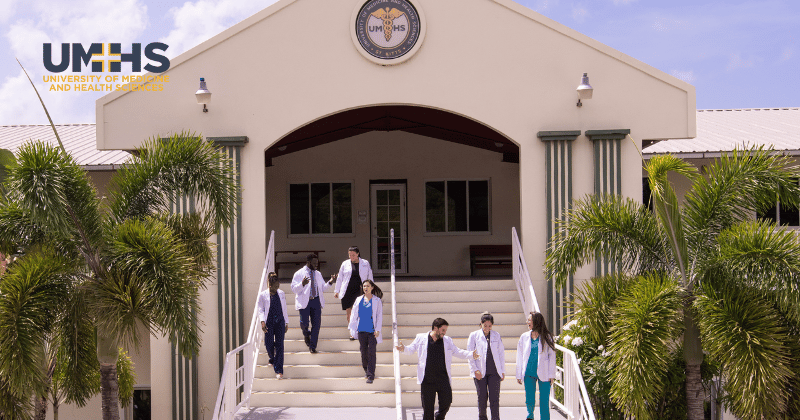
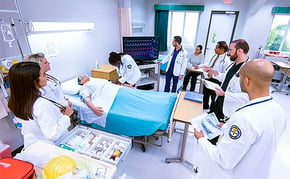
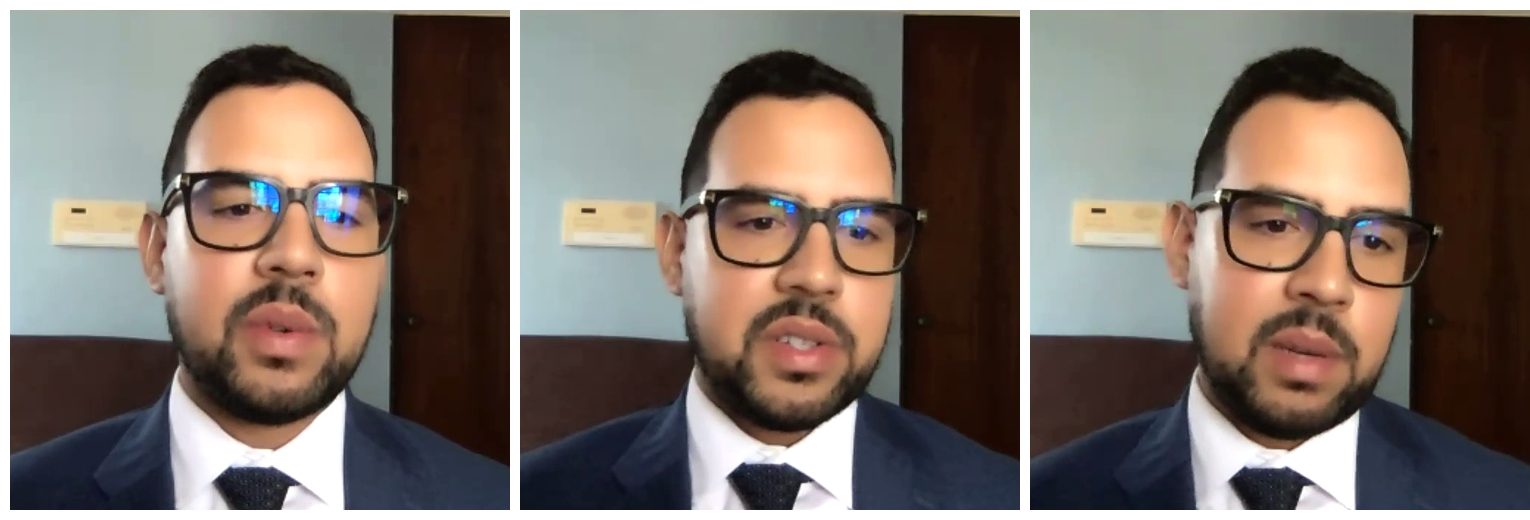 Screenshots from Dr. Edgardo Negron's upcoming UMHS YouTube interview.
Background and journey to medicine
UMHS Endeavour: Please tell us a little bit about yourself, where you grew up, where you completed your undergraduate studies, and whether you always wanted to become a doctor.
Dr. Edgardo Negron: I grew up in San Juan, Puerto Rico, and I also completed my undergraduate studies at the University of Puerto Rico, Mayagüez campus. As for whether I always wanted to be a doctor, I would have to say no. When I was younger, I wanted to be a professional baseball player, which is completely different.
When I started college, most people in my family were engineers, so I naturally gravitated toward engineering. About halfway through, though, I realized it wasn’t really for me. Around that same time, some health issues came up in my family involving my grandparents, and that’s when I decided I wanted to pursue medicine.
Choosing UMHS
UMHS Endeavour: What made you choose UMHS?
I actually transferred to UMHS. One of the biggest reasons was that I wanted to complete my clinical years in the United States. My previous school had more limitations regarding rotations, and at the same time, members of my family were ill and receiving treatment in the U.S.
UMHS gave me the flexibility to rotate in multiple locations throughout the United States while also allowing me to spend more time with my grandfather during his illness. I’m very grateful for that opportunity.
Matching into Internal Medicine
UMHS Endeavour: Tell us about the residency program you matched into and what drew you to Internal Medicine.
I matched into Internal Medicine at HCA JFK Hospital in Atlantis, Florida.
Initially, Internal Medicine appealed to me because it gives you the opportunity to learn about all the different systems and organs in the body. You become the first line of defense when it comes to managing chronic conditions, and I felt that was the best way I could help the people in my family who were dealing with illness.
As I progressed through rotations, I also realized there’s a lot of misinformation and distrust in healthcare. I feel I’m someone who communicates well with patients and can connect with people in different ways. That really reinforced my decision to pursue Internal Medicine because building trust with patients can truly change outcomes and improve lives.
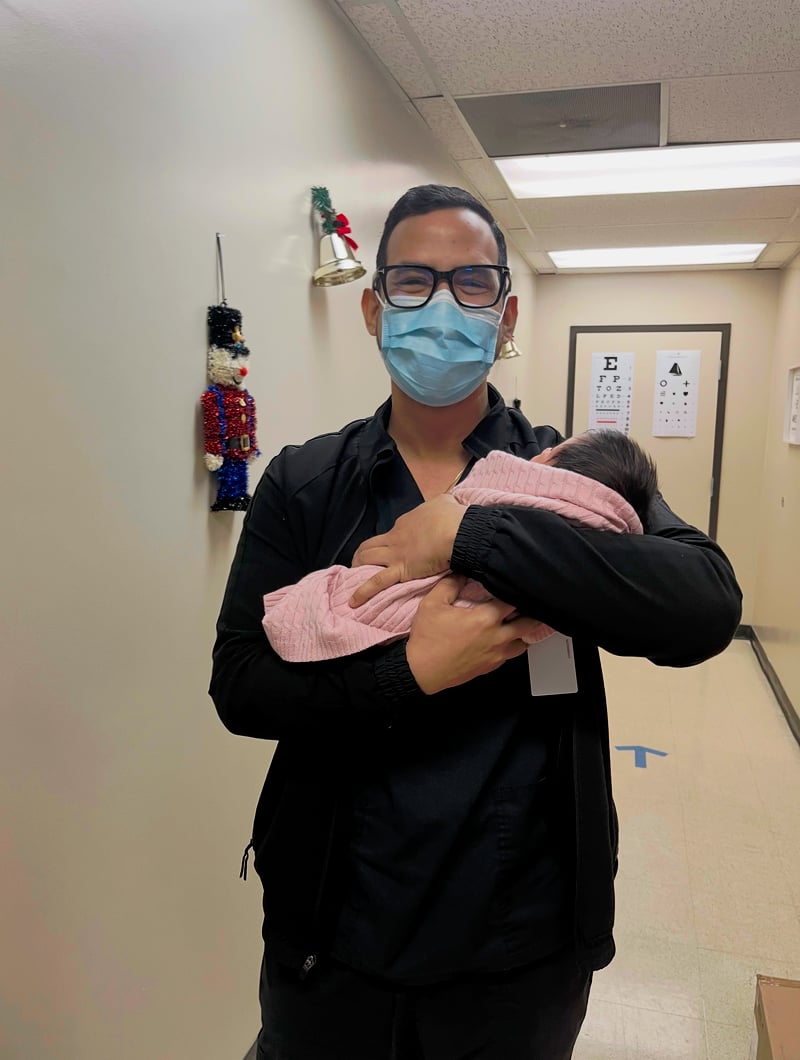 Dr. Edgardo Negron with an infant during a rotation at Fit Life Pediatric Consultants led by Dr. Damaris Mafut, DO through UMHS affiliation with Keralty Hospital in South Miami, Florida. Photo: Courtesy of Dr. Negron.
Clinical rotations and mentorship
UMHS Endeavour: How did your clinical rotations help shape your decision to pursue Internal Medicine?
I was fortunate because my first clinical rotation was in Internal Medicine, and I rotated with Dr. Eric Mizuno. He made a huge impression on me. Not only was his medical knowledge incredible, but he taught conditions in a way that made them easy to remember.
What stood out most was the relationship he had with his patients. They trusted him completely, and they were genuinely happy to see him. Seeing that kind of physician-patient relationship made me realize that I wanted to model myself after that example. That experience really solidified my decision to pursue Internal Medicine.
Preparing for residency
UMHS Endeavour: What skills did you learn during basic sciences and clinical rotations that you feel prepared you for residency?
One thing UMHS really emphasizes is physical examination skills. From early in your medical education, you’re interacting with patients and learning how to communicate effectively. The school focuses heavily on teaching proper physical examination techniques and understanding what abnormal findings actually mean.
I think that gives students an advantage during rotations because you’re able to notice things that other students sometimes miss. It helps guide you toward better diagnoses and also prepares you well for Step exams.
A lot of schools may brush over physical diagnosis, but UMHS really stresses its importance, and I feel that preparation will continue helping me throughout residency.
The fifth semester experience
UMHS Endeavour: How did the fifth semester in Maine help prepare you for clinical rotations and residency?
The fifth semester was a great experience. It was the first time I worked with simulations and mannequins, and it really gave me an understanding of what to expect in clinical situations like intubation.
Even though real-life situations are always different, having that foundation and understanding the theory behind procedures makes it much easier to learn quickly during rotations and residency. You already know what things are supposed to look like, so you can recognize when something is off.
Another important part of the fifth semester was getting exposure to patients in the United States. It helped me become comfortable interacting with American patients before starting clinical rotations, which was extremely valuable.
Professors and mentors
UMHS Endeavour: Were there any professors, mentors, or staff members who influenced you the most during your time at UMHS?
Patrick McCormick had a huge impact on me. I encourage students to speak with him as early as possible during their clinical years. Talking to him directly was one of the most helpful things I did.
Before applying for the Match, I had anxiety about perceived red flags on my application. Patrick helped me re-frame those concerns and view my journey more positively. He also helped me become more confident going into the Match process.
I also want to mention Dr. Mohan Kumar. He teaches the PD and ICM courses, and he does an excellent job preparing students for the fifth semester and clinical rotations. He emphasizes the importance of physical examination skills and understanding what abnormal findings mean. Those courses really set a strong foundation.
AI and advances in medicine
UMHS Endeavour: Are there any exciting developments or breakthroughs in Internal Medicine that particularly interest you right now?
One area that really interests me is the advancement of GLP-1 medications and weight-loss treatments. During rotations, I saw firsthand how effective these medications can be for patients struggling with obesity.
Before these medications became more common, many patients primarily had surgical options, which can be much more invasive. Seeing how successful these newer treatments can be has been really impressive, and it’s definitely an area I may focus on more in the future.
The future of AI in healthcare
UMHS Endeavour: Did you encounter AI tools during rotations, and how do you see AI impacting medicine in the future?
I see AI as a tool that can help physicians, but I think we’re still in the early stages. During rotations, I mainly saw AI being used to help physicians write notes more efficiently when managing large patient loads.
I don’t think we’re at a point where AI can be trusted independently for major medical decisions, so physicians still need to carefully review and verify everything.
In Internal Medicine especially, the physician-patient interaction is extremely important. A patient’s appearance, body language, and overall presentation can completely change your clinical thinking. Because of that, I still believe human judgment is more important than AI, particularly in Internal Medicine.
Advice for students
UMHS Endeavour: What advice would you give to current or prospective UMHS students?
First, I would say persistence is everything. Medical school is a long journey, and everyone stumbles at some point. You have to learn how to tune out self-doubt and trust that if you continue working hard, things will eventually work out.
Second, take advantage of the opportunities UMHS offers, especially the flexibility with clinical rotations. I rotated in four different states, and that helped me figure out exactly where I wanted to train and practice. Those experiences helped me feel confident when creating my residency rank list.
Third, speak with Patrick McCormick as early as possible during your clinical years. Don’t wait until the Match process is already underway. He can really help you gain perspective and confidence.
Final thoughts
UMHS Endeavour: Is there anything else you would like to add for current or prospective students?
I think a lot of medical students spend too much time getting into their own heads and doubting themselves. UMHS really does provide students with the tools they need to succeed, so trust the process, stay persistent, and believe in yourself.
And again, speak with Patrick McCormick early and often.
Contact Dr. Edgardo Negron via email at ednegron@umhs-sk.net
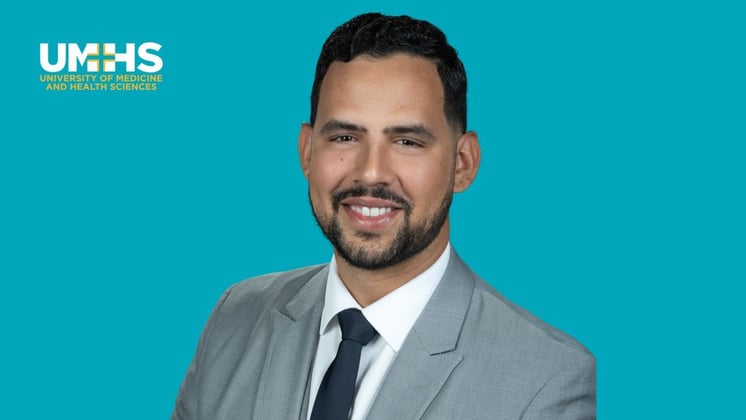
Top photo: Dr. Edgardo Negron. Photo: Courtesy of Dr. Negron.
Scott is Director of Digital Content & Alumni Communications Liaison at UMHS and editor of the UMHS Endeavour blog. When he's not writing about UMHS students, faculty, events, public health, alumni and UMHS research, he writes and edits Broadway theater reviews for a website he publishes in New York City, StageZine.com.