




Basic Science Program
The Basic Science Program
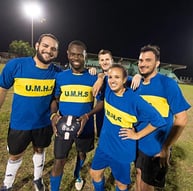
The Basic Science Program is completed during semesters one through four on our state-of-the-art campus, located on the exotic Caribbean island of St. Kitts. The curriculum utilizes problem-based learning, emphasizes clinical correlations, and provides a thorough understanding of the basic biomedical sciences. Starting in the first semester, students are introduced to history-taking, physical exam skills, and problem-solving techniques.

Small by design
We purposefully maintain small class sizes so students are never lost in the crowd. With a 7:1 student-to-faculty ratio, and a 6:1 student-to-cadaver ratio, our students get ample time for personal, hands-on learning throughout the Basic Science Program.
Our traditional medical school curriculum compares with what you’d find at most U.S. medical schools. Pre-clinical exposure begins in the first semester and continues throughout the Basic Science Program.
Clinical settings
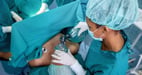
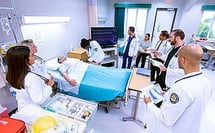
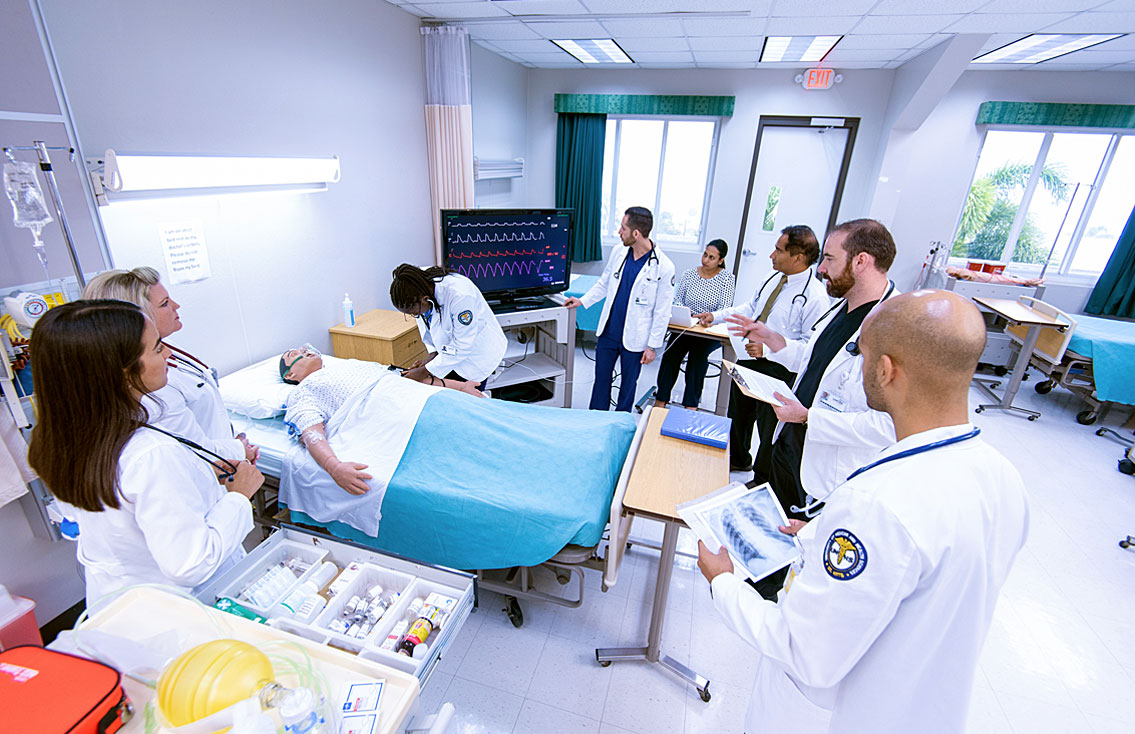
A compelling differentiator at UMHS is our students’ access to a variety of clinical settings. Not only are students involved at community health centers, local hospitals, and with professional patients, but they also learn in our 24-bed virtual hospital ward on the St. Kitts campus, which features cutting-edge human simulators. This simulation lab is incorporated into a variety of courses throughout the Basic Science Program, including Physical Diagnosis, Physiology, and Introduction to Clinical Medicine. Very few schools in the United States or the Caribbean have simulation centers that can compare.
Examinations
During the Basic Science Program, students take comprehensive block examinations at various points throughout each semester. Like U.S. medical schools, UMHS has also incorporated the NBME shelf examinations into the academic program. Shelf examinations are made up of questions that are similar in style and content to those questions on the United States Medical Licensing Exam (USMLE). As a result, throughout the Basic Science Program, students are preparing for Step 1 of the USMLE.
NBME shelf examinations are typically given at the end of each semester as finals. Students will be provided with a complete analysis of each exam, which shows both their strengths and weaknesses, as well as how they compare to students in the U.S. UMHS also uses ExamSoft for examinations. Please visit this link for ExamSoft requirements.
Laptop computers/wireless campus
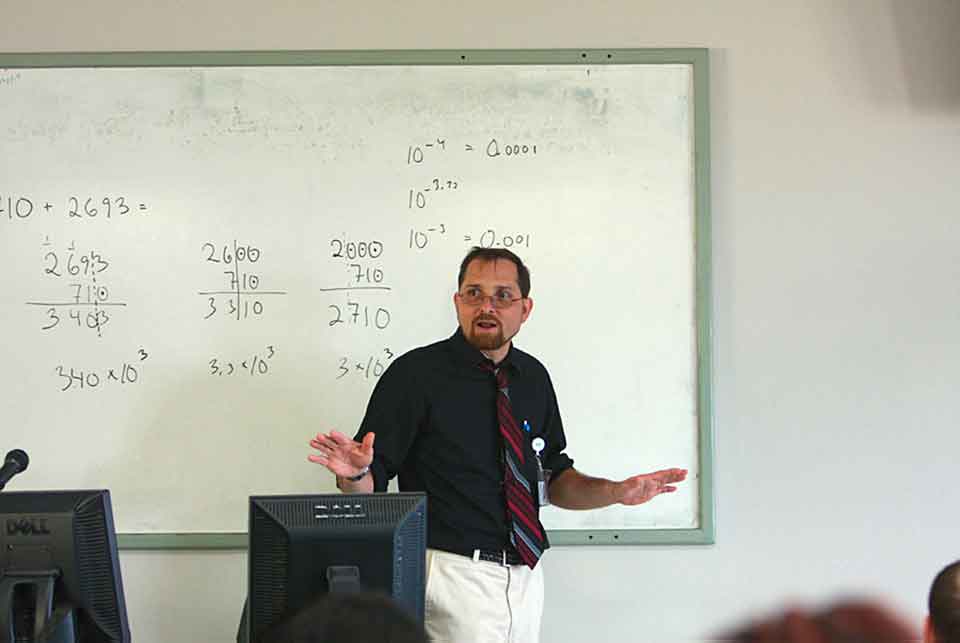
High-speed wireless internet is present throughout the entire campus and all students are required to bring a laptop computer to class. Our cloud-based learning management system enables students to access faculty PowerPoint presentations, class notes, course objectives, and curriculum from anywhere on campus or around the world. Following the U.S. standard, UMHS also provides students with a digitally enhanced database of histological images to be used throughout the program.
Basic Science Curriculum
Curriculum effective: January 2025
| Course | Credits |
|---|---|
| Gross and Developmental Anatomy | 11 Credits |
| Cell and Molecular Biology | 6 Credits |
| Histology | 5 Credits |
| Physical Diagnosis | 2 Credits |
| Total | Credits |
| Course | Credits |
|---|---|
| Biochemistry | 7 Credits |
| Genetics | 3 Credits |
| Physiology | 10 Credits |
| Epidemiology and Evidence-Based Medicine | 2 Credits |
| Immunology | 3 Credits |
| Total | Credits |
| Course | Credits |
|---|---|
| Behavioral Science and Medical Ethics | 6 Credits |
| Microbiology | 8 Credits |
| Neuroscience/Neuroanatomy | 7 Credits |
| Pathology I | 9 Credits |
| Clinical Skills – Neurology and Behavioral | 1 Credits |
| Total | Credits |
| Course | Credits |
|---|---|
| Introduction to Clinical Medicine | 6 Credits |
| Pathology II** | 12 Credits |
| Pharmacology & Therapeutics** | 7 Credits |
| Total | Credits |
Study in St. Kitts
You will receive a high-quality medical education on a state-of-the-art campus, in stunning surroundings.
St. Kitts
Semester 1
Gross and Developmental Anatomy focuses on the gross structure of organs and their function, and through clinical correlations, relates each to clinical medicine. An Anatomical Learning Resource Center has been established to utilize computer-based instruction, anatomical models, and radiographic materials, as well as supervised laboratory sessions focused on dissecting various parts of the human body. Students study the structure and function of all organs with some interaction with cellular structure. This course incorporates an understanding of how embryological processes give rise to the mature body form. When this course is complete, each student will have extensive knowledge of the gross anatomy and development of the entire human body as it relates clinically to the practice of medicine.
Upon successful completion of this course, the student will be able to:
1. Identify anatomical structures by their location, dimensions, relationship to other structures, surface projections, and functions.
2. Identify the nerve supply of anatomical structures.
3. Identify the vascular supply of anatomical structures.
4. Describe the relationship between morphology and function.
5. Describe the embryological development of the adult structures.
6. Apply anatomical knowledge to clinical scenarios.
Cell and Molecular Biology is offered during the first semester in the Basic Science Program. In Cell and Molecular Biology, students will study medically important aspects of cellular and molecular biology contributing to human disease. Topics covered will include: cellular structure and function, membrane structure and intracellular transport, genome structure and DNA replication, control of gene expression, regulation of cell division, cell signaling pathways, regulation of cell death pathways, stem cell biology, fundamentals of cellular immunology, and inflammation. This course will incorporate detailed clinical cases with discussions of the mechanisms of disease, drug mechanism of action and clinical techniques all relevant to topics in advanced cell and molecular biology. The course concludes with several lectures designed to integrate the course material with detailed analysis and discussion of specific complex diseases including cancer, diabetes, cardiovascular disease, pulmonary disease, and dementia. This integrative approach to the molecular and cellular mechanisms of disease equips students with the necessary knowledge and insight to apply current and future advances in the basic sciences to clinical medicine and patient care.
Upon successful completion of the Cell and Molecular Biology course, students should be able to:
-
Understand the molecular basis of normal and aberrant cellular function.
-
Understand how cellular molecules are organized, transported, and cooperate to maintain cellular structure and function and how alterations in these processes contribute to disease.
-
Understand the regulation of gene expression and how cells alter gene expression in response to normal cellular function, cellular stress, and disease.
-
Describe how cells, tissues, and organs cooperate to maintain homeostasis and the impact of disrupted homeostasis on disease development and progression
-
Understand the molecular and cellular basis of complex diseases and the molecular basis of drug action used for treatment
-
Apply the use of cellular and molecular clinical assays for disease diagnosis, identification of disease markers for patient stratification and analysis of drug targets to determine drug efficacy.
This course centers on the study of the microscopic structure of normal human cells, tissues, and organs. Virtual microscopy is used to study the structure of basic tissue types and their integration into organs and organ systems. The lectures correlate microscopic and gross anatomy with basic histophysiology and function of organ systems. Upon completion of the course, the student must be able to identify and describe the function of cells, tissues, structures, and organs of the human body presented via lecture and digital imagery. Students must complete specific performance objectives, which accompany individual lecture segments, and, where appropriate, be able to integrate histology with other classes of the curriculum.
Upon successful completion of this course, the student will be able to:
1. Describe the microscopic structure of the organ systems.
2. Relate system structure to its basic physiological function.
3. Identify structures on micrographs, noting the information revealed by various staining techniques.
4. Relate basic histopathology to the etiology of disease states.
5. Correlate microscopic tissue structure with Cell and Molecular Biology and Gross and Developmental Anatomy.
This course is designed to provide early exposure to clinical medicine. Students are instructed in patient interviewing and communication skills. They also receive hands-on examination skills in the musculoskeletal system using simulated and standardized patients. Additionally, clinical correlations and medical imaging are presented in conjunction with the Gross and Developmental Anatomy course. Professionalism in doctor-patient, doctor-doctor, and doctor-society interaction is stressed.
Upon successful completion of this course, the student will be able to:
1. Determine the importance of comprehensive and focused history-taking.
2. Obtain a complete medical history from the patient and or informant.
3. Identify and demonstrate various verbal and non-verbal communication skills while conducting the patient interview.
4. Recognize and demonstrate professionalism while interacting with patients, family, peers, and teachers.
5. List the various parameters of vital signs and obtain vital signs.
6. Identify the various steps in examining the cardiac, respiratory, and musculoskeletal systems.
7. Demonstrate the skills in performing the physical examination of the cardiac, respiratory, and musculoskeletal systems.
Semester 2*
This course focuses on the interrelationship and regulation of metabolic pathways as it pertains to understanding the mechanism of disease states. The student is prepared accordingly through a discussion of the principles of biochemistry including anabolic and catabolic reactions as permitted by the generation and use of energy. Biochemical mechanisms are utilized to justify particular signs and symptoms noted in certain clinical conditions. In so doing a comprehensive understanding of the metabolism of Proteins, Carbohydrates, Lipids and other Nitrogen containing molecules is achieved.
Pre-requisites: Completion or co-enrollment of Cell and Molecular Biology
This course provides a description of the human genome including the details of DNA, gene, and chromosome structure, the basics of gene expression, and the various forms of inheritance. The overall goal is to use this knowledge to better understand the molecular mechanisms of how genetic mutations lead to the single gene and complex disorders described in the textbook case studies. Specific course topics include gene mapping and disease gene identification, the treatment of genetic disease, prenatal diagnosis, cancer genetics, and pharmacogenetics.
Pre-requisite: Completion of Cell and Molecular Biology
Physiology concentrates on how the various organ systems that comprise the human body function. The major objective of this course is to enable the student to acquire a sound understanding of the mechanisms upon which life depends through an integrated study of the many control systems that maintain homeostasis. Emphasis is placed on the mechanisms that maintain a homeostasis under a variety of conditions. The course begins with a study of basic physiological principles, such as, the transport of ions, intracellular signaling, osmosis, membranes and their electrical properties. Following the presentation of the basic principles of cellular physiology, which includes muscle and nerve, cardiovascular, respiratory, renal, gastrointestinal, endocrines, reproductive physiology are taught and integrated into total body function. Temperature regulation and the integrated physiological responses to exercise and adverse environments are also presented. Most disease conditions result from abnormal functioning (i.e., disturbance of homeostasis) of one or more of the basic control systems. Thus it is of fundamental importance that the future physician understands these regulatory mechanisms taught in this basic medical science course. After completing the course, students will have a clear understanding of how the major systems of the body operate in an integrated fashion necessary to maintain a homeostatic state.
Pre-requisites: Completion of Gross and Developmental, Cell and Molecular Biology, and Histology
The epidemiology of disease and concepts of Public Health and Industrial Medicine are also covered in this course. Finally, the course will end with discussions of broad issues related to health care delivery, health care legislation and costs, and a comparative discussion of health care systems.
Pre-requisites: None
The course begins with a general overview and introduction to the immune system including a description of the cells and tissues involved with innate and adaptive immunity. This is followed by descriptions of the molecular and cellular mechanisms employed in innate immune responses, and for those used in the humoral and cell-mediated arms of adaptive immunity. This includes the details of antigen processing and presentation by antigen-presenting cells and the central role of MHC molecules in this process. The maturation and selection of B and T lymphocytes and the production of the diverse antigen receptors required for lymphocyte activation are also described in detail.
The pathways of lymphocyte activation are followed by an explanation for the generation of the different effector functions and memory cells produced during a humoral or cell-mediated response. The last half of the course is focused on more clinically related topics including tolerance and autoimmunity, transplantation and immunosuppression, immunotherapy strategies against tumors, hypersensitivity, and the consequences of congenital immunodeficiencies. The course ends with a description of the tools and assays of immune functions.
Pre-requisites: Completion of Cell and Molecular Biology or co-enrollment in Cell and Molecular Biology (retaking the course), co-enrollment of Histology
Semester 3*
Behavioral Science stresses the complex relationship between psychological makeup and experience by providing a knowledge base for normative and non-normative human development throughout the life cycle. The course also introduces the student to the behavioral basis of clinical medicine by focusing on common behavioral problems and the circumstances that evoke important behavioral or emotional responses. The concept of culturally competent care will be defined, and the basics of recognizing organic and functional psychological disturbances are described. Workshops on realistic clinical problems are an integral part of this course; sexual dysfunction, bereavement, suicide, and sociological disorders receive detailed attention.
Because the medical profession subscribes to a body of ethical parameters developed to guide medical decision-making for the well-being and benefit of the patient, the Behavioral Science course contains a significant component designed to introduce the medical student to these principles and concepts. This ethical component serves as a basic (ideal) standard of conduct which defines the essentials of honorable behavior for the physician in every clinical and research interaction. It is imperative that any health care professional have knowledge of the medicolegal and ethical issues so that clients are treated with understanding, sensitivity, and compassion. Occasionally, ethical dilemmas arise when physician and patient disagree about values or may face choices that challenge their core values. This segment of the Behavioral Science course strives to provide the UMHS Medical Student with a foundational framework for ethical decision-making.
Additionally, the student should develop increased insight into personal functioning and feelings, and develop the skills needed to act as an empathetic and effective interviewer and behavioral change agent.
Pre-requisites: None
Microbiology teaches students the basic concepts of infectious disease in a lecture and laboratory setting. The goal of the course is for students to gain a basic knowledge and understanding of microbial diagnosis of Bacteria, Viruses, Fungi, Protozoa and Parasites. The etiology, pathogenesis and genetics of bacterial infection are key foundations to the study of microbes. Students will learn the symptoms that help in diagnosis of a patient and how these symptoms relate to disease. Prevention of disease such as vaccines, hand washing and sterilization and disinfection are stressed as well as the treatment of infectious disease. In the laboratory, students perform the techniques needed to identify and inform treatment strategies for a variety of gram-positive as well as gram-negative bacteria. Case studies are used in laboratory sessions to enhance the learning experience and provide a well-rounded educational experience.
Pre-requisites: Completion of Immunology
Neuroscience begins with an overview of the entire nervous system. As the course progresses, the focus is on comprehending the basic structure and function of each level of the nervous system, integrating both the anatomy and physiology of the nervous system. The principles that underlie the anatomical structure of each system of the brain are correlated with its physiology; correlations between the functional deficits and the pathological anatomy in several neurological diseases which require a working knowledge of anatomy and physiology are stressed. Special attention is given to integrating current understandings of human neurological and psychiatric diseases, and each topic is supplemented by relevant lab exercises which include detailed brain dissection and exposure to angiograms, CT scans, MRI, etc.
Pre-requisites: Completion of Gross and Developmental Anatomy, and completion or co-enrollment in Physiology
Pathology introduces students to the cellular system of each organ and traces the morphological changes in a cell that are responsible for a disease in an organ. As cells undergo alteration, their change in function is studied in respect to its deviation from the "normal" state. Course presentation includes the response of cells, tissues and organs to disease and injury; the normal and adapted cell; degeneration and necrosis, inflammation, fluid and hemodynamic derangements; neoplasia; immunopathology; systemic, environmental and nutritional disease. Lecture discussions are supplemented by a study of gross and microscopic specimens.
Pre-requisites: Completion of Genetics, Immunology, Biochemistry and Physiology
In this course, the students will learn the Clinical skills involved in the Neurological and Behavioral Clinical examinations. It will integrate the knowledge previously acquired in Physical Diagnosis, Physiology, and Gross and Developmental Anatomy courses. The course is taught in conjunction and aligned with the Behavioral Science and Neuroscience courses, which are also taught in the EBS 4 and Med 3 semesters. It is designed to lay the foundation for the clinical Neurobehavioral skills essential to the practice of medicine. These skills include obtaining a medical history, performing a physical examination, professionalism & communication. The organization of the course is predominantly structured as small group instruction and didactic lectures with emphasis on hands-on history taking and physical examination of standardized and professional patients in the Clinical Skills Laboratory.
Pre-requisites: Completion or co-enrollment in Neuroscience, and Behavioral Science and Medical Ethics (allowed on case by case)
Semester 4*
This course is designed to introduce students to the basic skills they will need to function as effective clinicians. History taken and physical examination skills are taught in practical classes using the latest technological media, including Laerdal patient stimulators (adult, pediatric and adolescent).
The course addresses a range of clinical skills necessary for the future development as a physician, including clinical assessment and plan for the care of patients using library and computer search of evidence-based information for patient care. Didactics are blended with laboratory data interpretation, radiology and other imaging techniques, and electrocardiography, introducing core medical information ready for the third and fourth years of clinical training.
Critical emphasis is on the development of ethical standards, specialization, as well as education and licensing requirements in the various states. Class size is small-group to facilitate free discussion and pertinent technique demonstrations.
Pre-requisites: All courses in Semesters 1-3, co-enrollment in or completion of Pathology II (MPAT 0900).
Pathology II applies the basic concepts learned in Pathology I to continue the study of pathologic basis of disease using a physiologic system, or organ-based approach. This course covers red and white cell diseases, male and female genital tracts, and kidney and liver systems. Course presentations include etiology, pathogenesis and morphologic changes in diseases according to organ system. Appropriate use of the laboratory is stressed in the diagnosis of disease while case presentations further emphasize the clinical aspects of the pathologic processes.
Pre-requisites: Completion of Pathology I
This course concentrates on how chemical agents (drugs) regulate or modify physiological functions of the body, demonstrating how interactions of drugs with living organisms contribute to the diagnosis, prevention, treatment or cure of diseases. Biologic responses, physiological alterations and correction of disorder or disease are discussed for each drug class highlighting receptor interaction, which defines the agent's boundaries of efficacy.
Because pharmacology and therapeutics is an integrated science, strong attempt is made to maintain this integrated approach in lectures, tutorials and case studies. Major emphasis will be on principles of pharmacogenetics (pharmacodynamics, pharmacokinetics, adverse drug reactions, teratogenicity, etc.) as well as therapeutics of common drugs used in infectious diseases, malignant diseases, and endocrinal disorders.
Pre-requisites: All Semester 1 and 2 courses, and Microbiology, Behavioral Science (retaking the course). Completion or co-enrollment in Pathology I (allowed on a case-by-case basis).
* Students enrolled in the Basic Science Program are required to complete the courses in the order listed above. Any student wishing to enroll in a course out of sequence or without the necessary prerequisites must formally submit a request in writing to the Dean of Basic Sciences by noon local time, of the Wednesday prior to the start of the semester. The student must include his/her correct e-mail address in this request. Any letters submitted after the deadline will not be considered. All students in the process of review are responsible for attending all courses originally scheduled for that student until officially told otherwise in writing or in an e-mail by the Dean of Basic Sciences. Any class absences accrued during this time period will be on the student’s class record.
** Students cannot co-enroll in Pathology II or Pharmacology with two or more semesters 1 – 3 courses.